Craft
How to tell a lab-grown diamond from a natural one
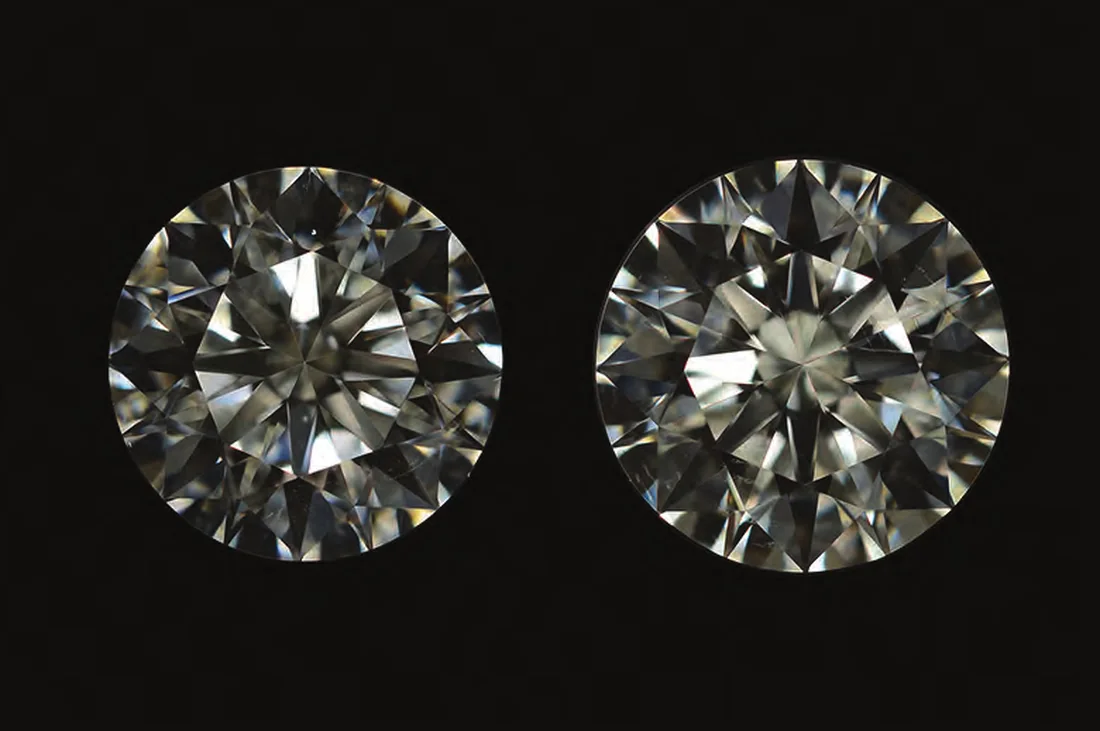
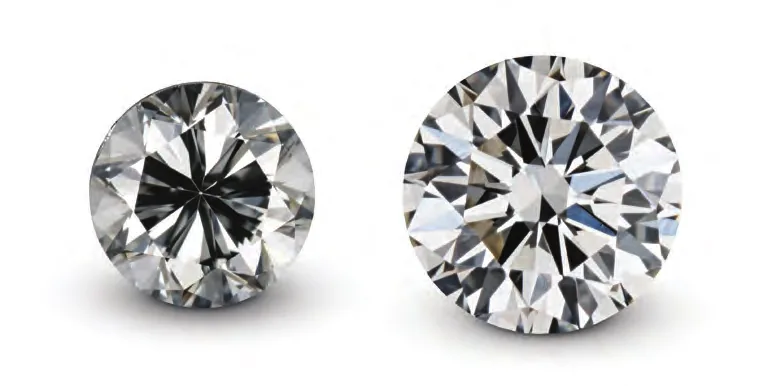
Somebody hands you a bright, clean, one carat round. Natural or grown in a lab? You cannot tell by looking. Neither can we. That is not a scandal. It is physics.
Two ways a diamond is grown
High pressure, high temperature growth copies the conditions deep in the earth. Chemical vapour deposition builds a crystal layer by layer from carbon gas, a bit like frost forming on a window.
Both make real diamond. Both are sold openly around the world, including here in the UAE.
What the lab looks for
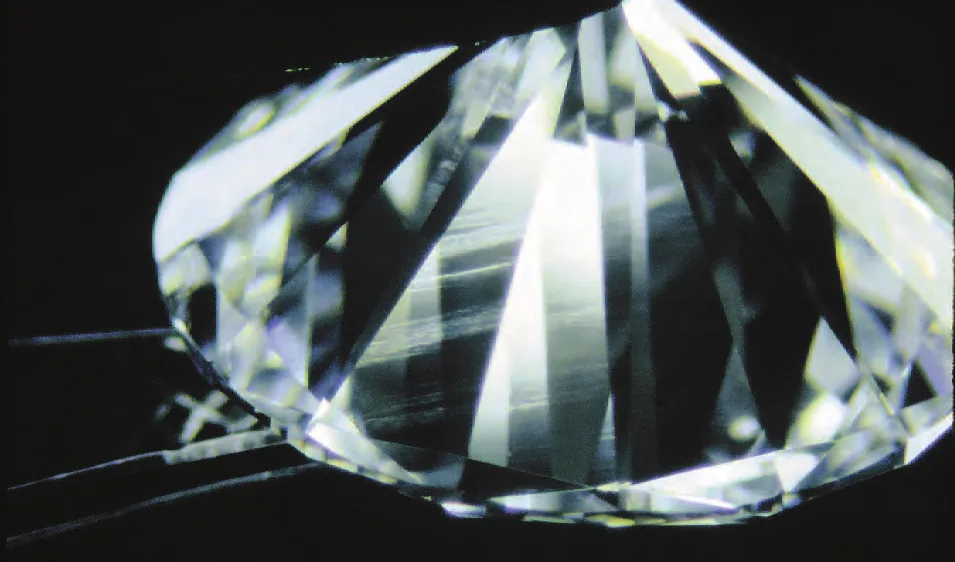
- Growth patterns that differ from natural crystals.
- Tiny metallic traces left behind by high pressure growth.
- Fluorescence plus phosphorescence behaviour under specialised light.
- Laser inscriptions on the girdle that name the stone as laboratory-grown.
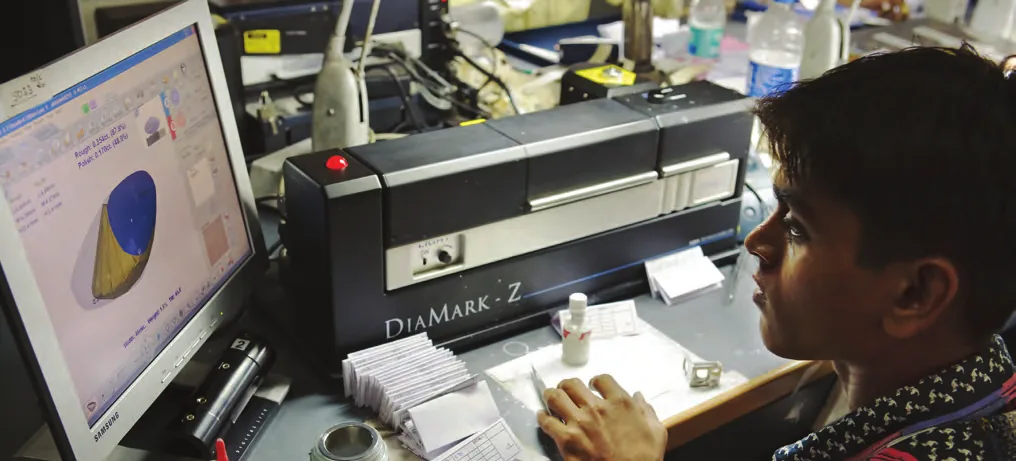
This is instrument work, not loupe work. So the paperwork matters more than your eyesight ever will.
Disclosure, in plain words
A lab-grown diamond must be described as laboratory-grown. Not simply cultured. Not simply created with a wink. The invoice should say it, the report should say it plus the seller should say it out loud.
"Full disclosure of treatments plus laboratory-grown origin builds trust with every customer."
— GIA, Colored Stone Essentials
What we do before a stone reaches you
Every centre stone we set arrives with a report from a respected laboratory. We check the inscription with a loupe, then we match it to the report number. Two minutes of care, years of peace of mind.
Have a stone you want checked before you set it? Bring it in. We will read the report with you at the Dubai atelier, plus explain every line.
Thinking about commissioning?
Tell us what's in your head — we'll come back with sketches.