Collecting
The most valuable gemstones in the world, and why
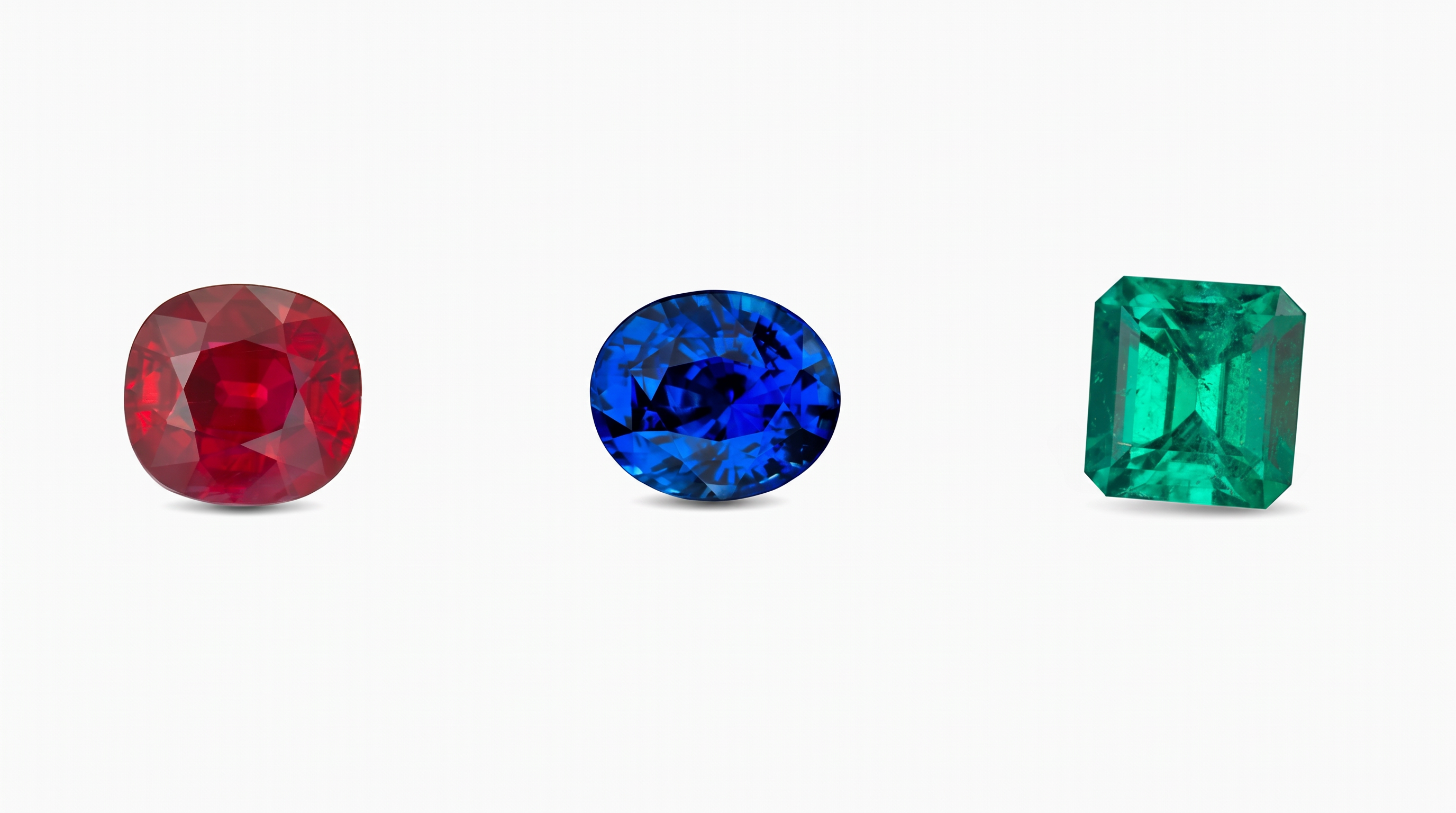
What makes a gemstone valuable? Three things, mostly. Rarity, beauty plus the story behind it. When all three meet in one stone, the world pays attention.
Here are the stones that top the list. Some you know. A few may surprise you.
1. Fancy color diamonds
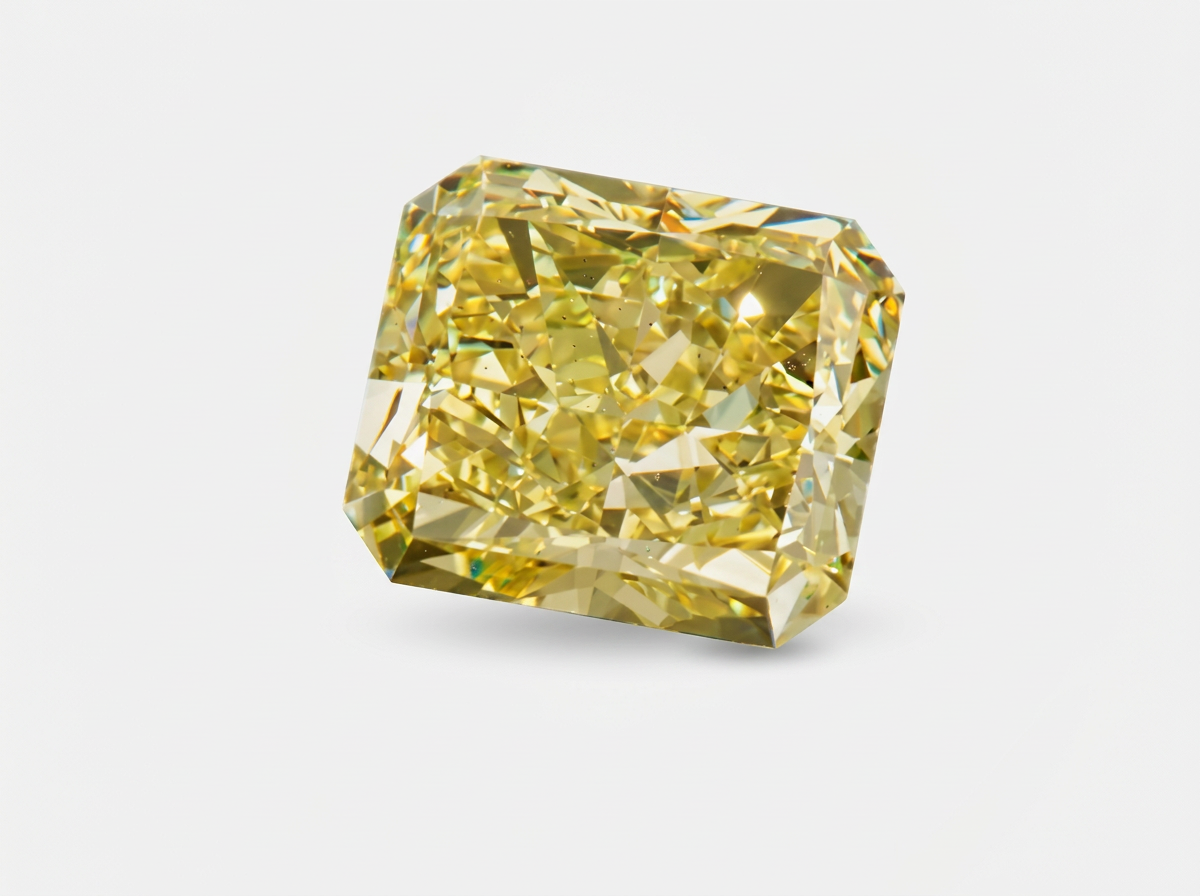
Most diamonds are judged on how little color they show. Fancy color diamonds flip that rule. Yellow, pink, blue plus green diamonds are prized for strong, even color. Red is the rarest of all. Only a handful of pure red diamonds are known.
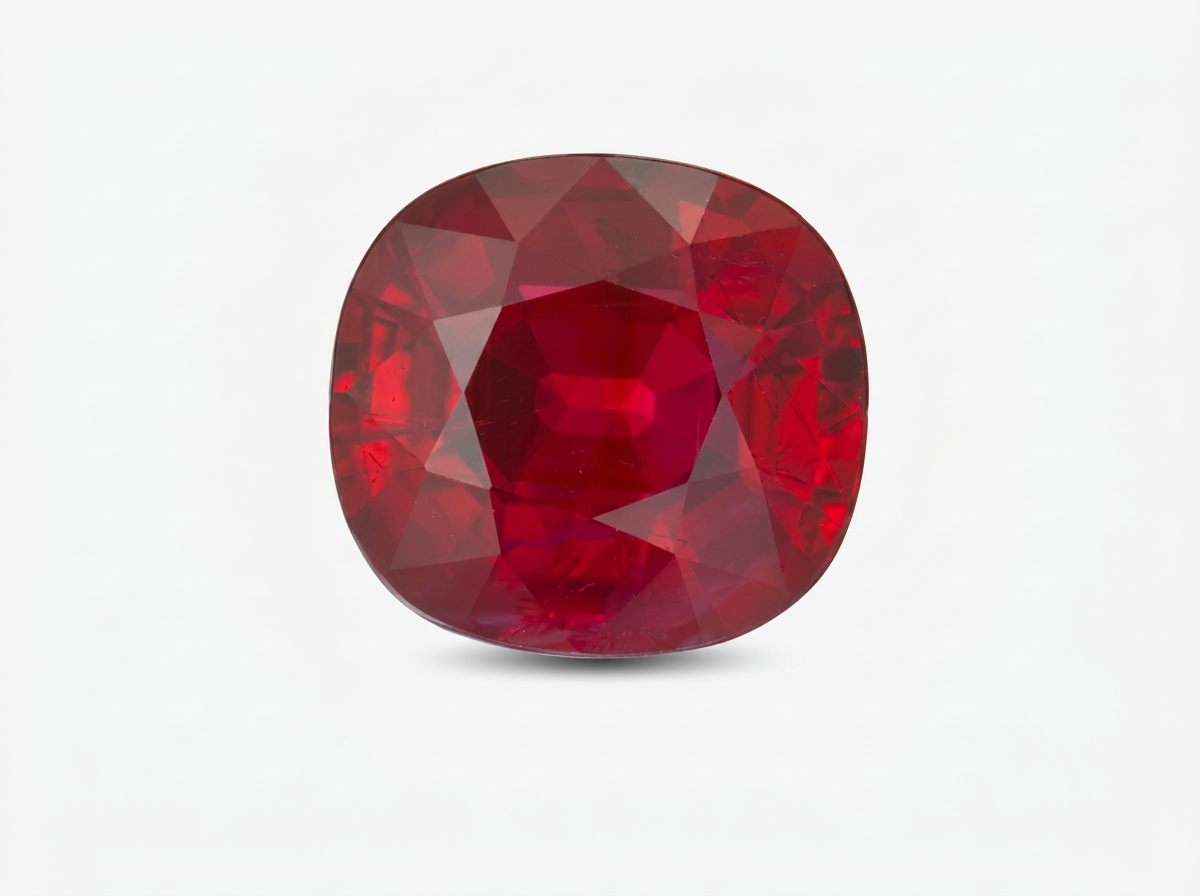
2. Burmese ruby
Fine ruby is rarer than fine diamond. The most famous come from Mogok in Myanmar. The trade calls their color pigeon's blood. It is a pure, glowing red that seems lit from inside.
Most rubies are heated to improve their color. A large ruby with fine color plus no heating is one of the rarest things in the gem world.
3. Kashmir sapphire
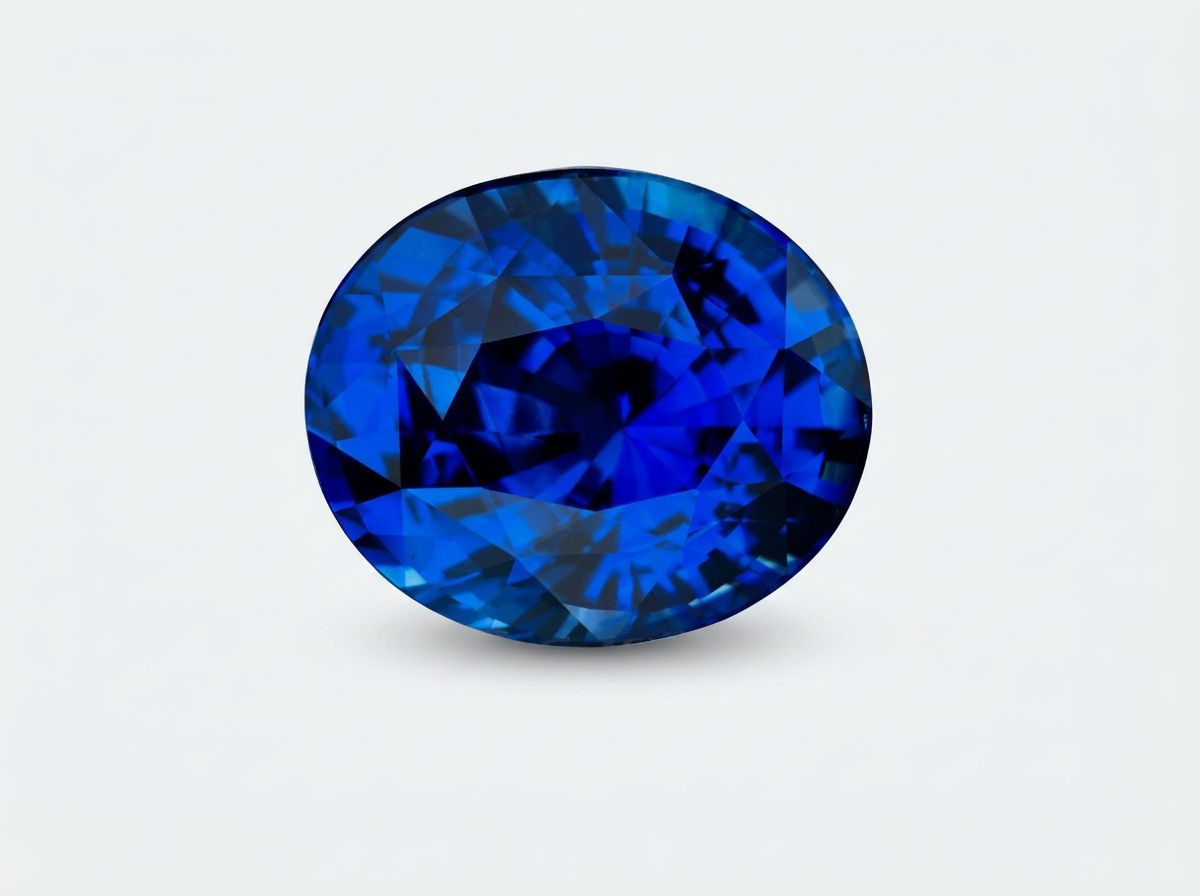
In the 1880s, a landslide high in the Himalayas revealed sapphires of a soft, velvety blue. The mines gave their best stones for only a few years. Today a Kashmir sapphire is a collector's dream.
4. Colombian emerald
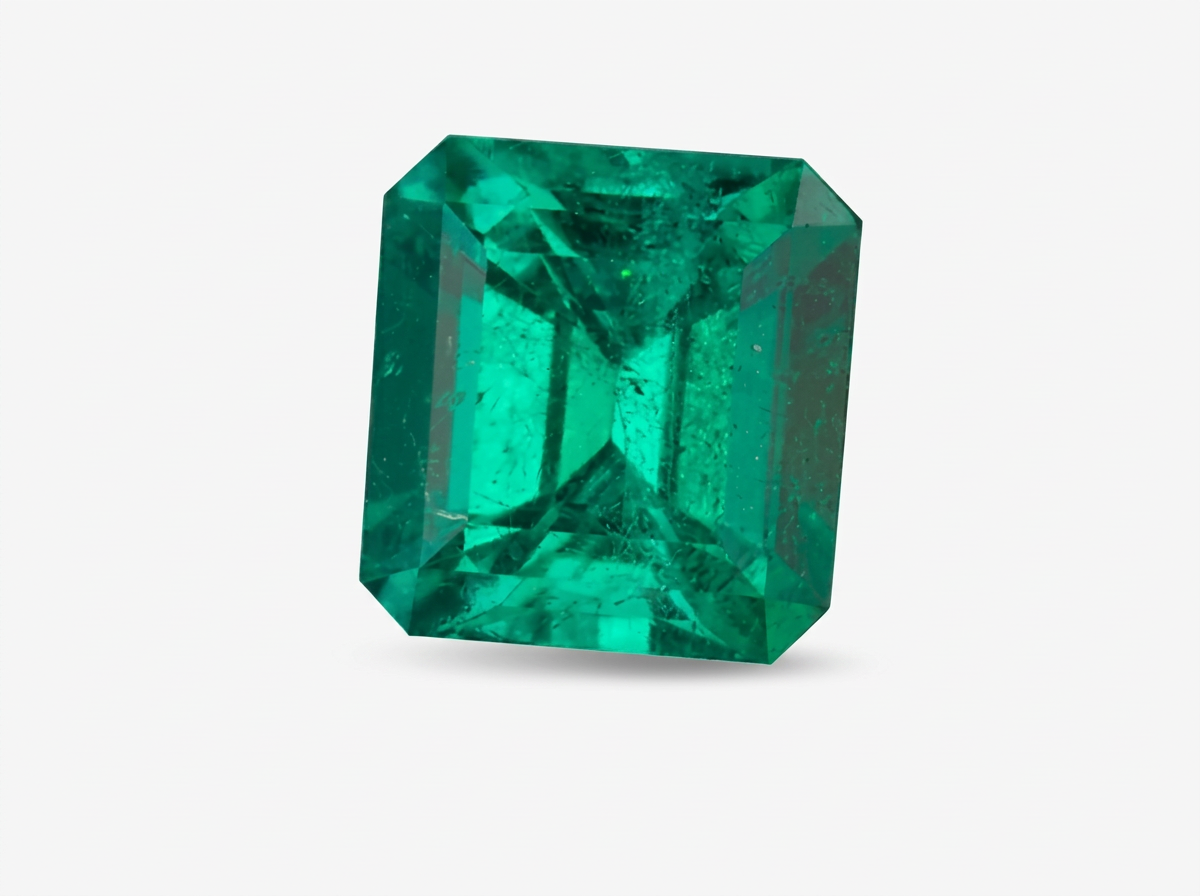
Colombia has been the home of fine emerald for centuries. Mines like Muzo give a warm, pure green with a slight blue hint. Almost every emerald has inclusions. Gem people call them the jardin, the garden.
5. Imperial jadeite
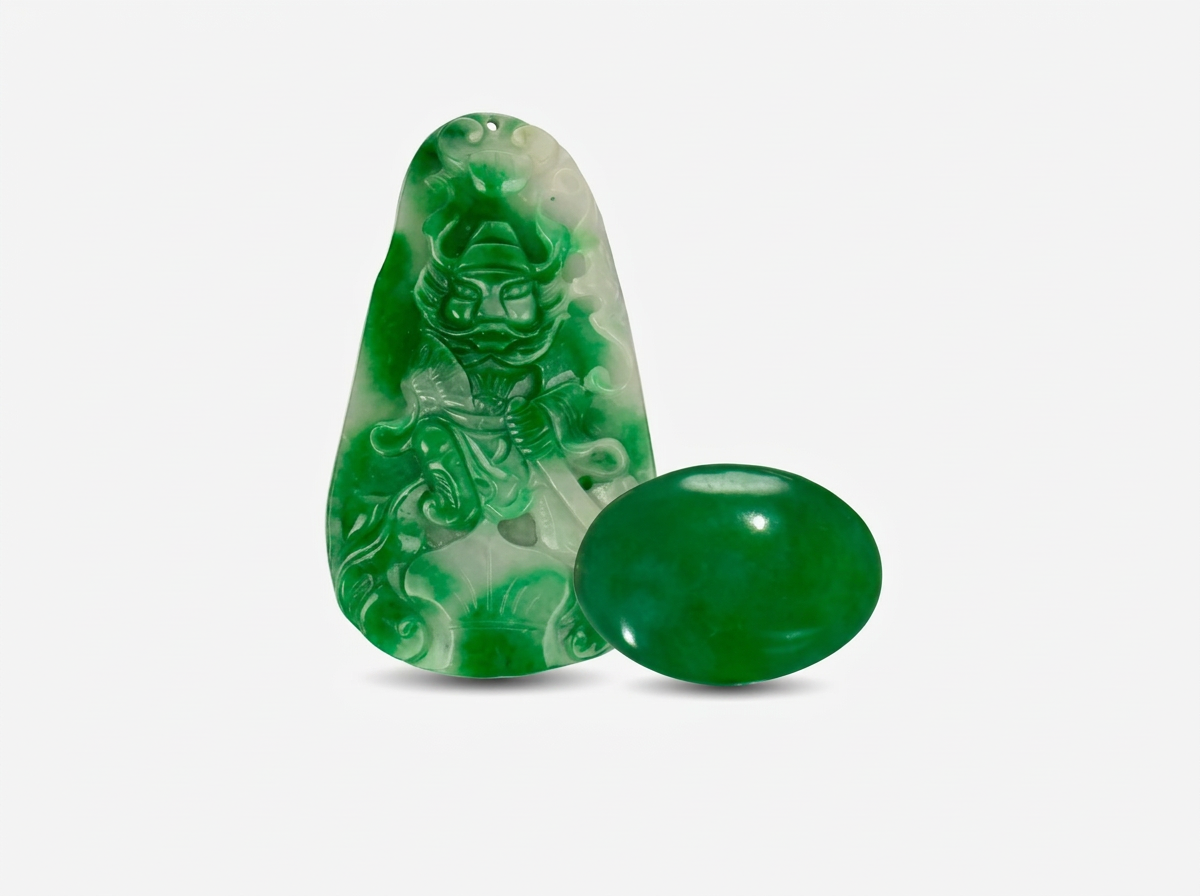
In China, jade has been treasured for thousands of years. The finest is imperial jadeite from Myanmar. It shows an even, glowing green that looks almost see-through. A fine bangle or bead necklace can set auction records.
6. Paraiba tourmaline
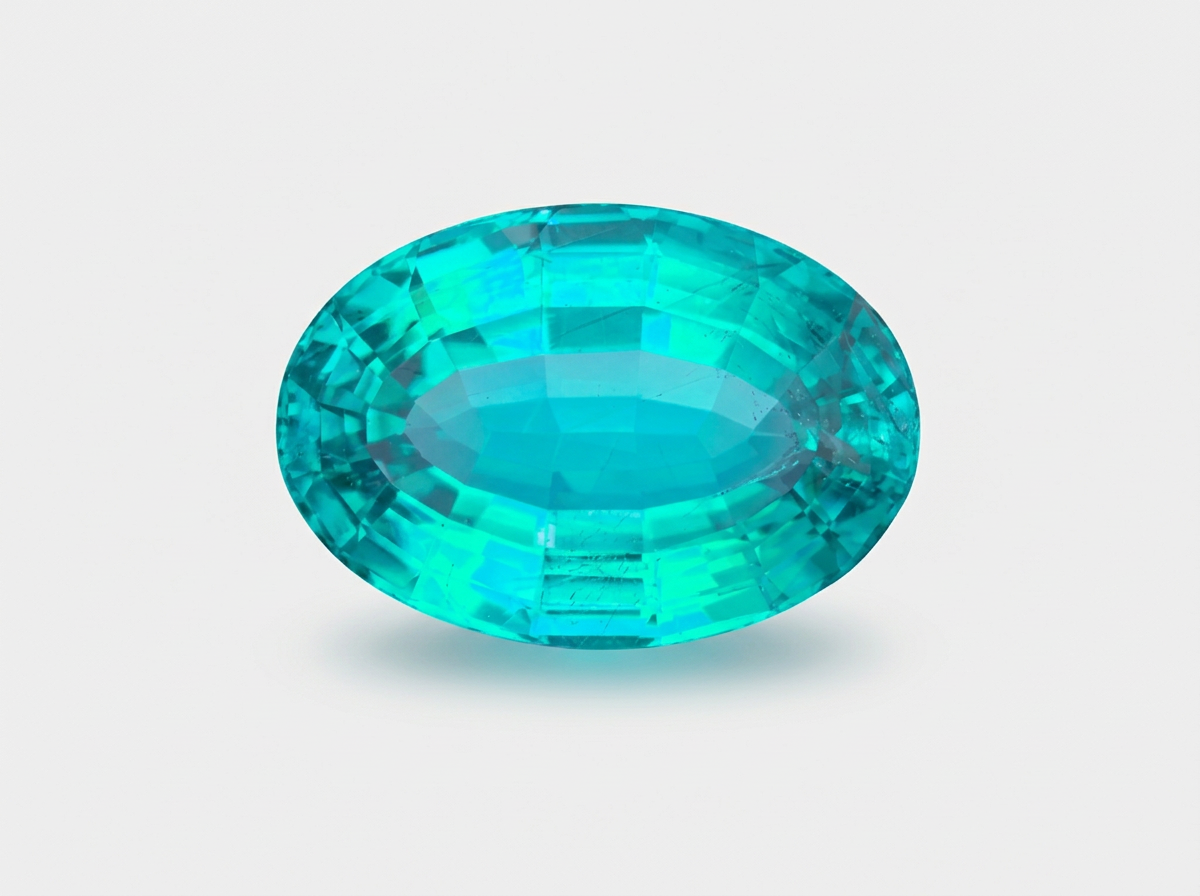
In the late 1980s, miners in Brazil found a tourmaline unlike any other. Its neon blue-green glow comes from copper. Nothing else looks quite like it. Similar stones were later found in Africa, but supply stays tiny.
7. Alexandrite
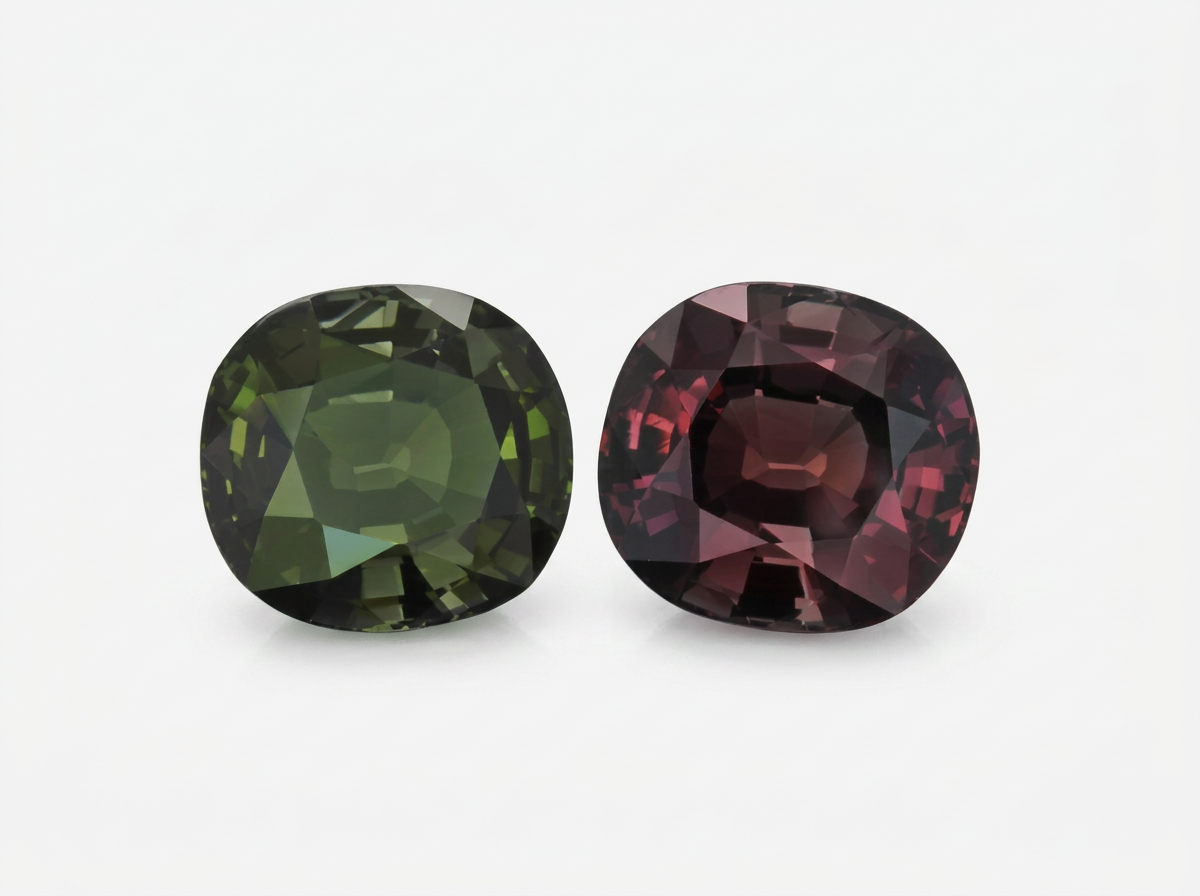
Alexandrite was found in Russia's Ural Mountains in the 1830s. It changes color. Green in daylight. Red under warm lamplight. A stone with a strong, clear change is rare plus deeply loved.
8. Spinel, the stone history mistook for ruby
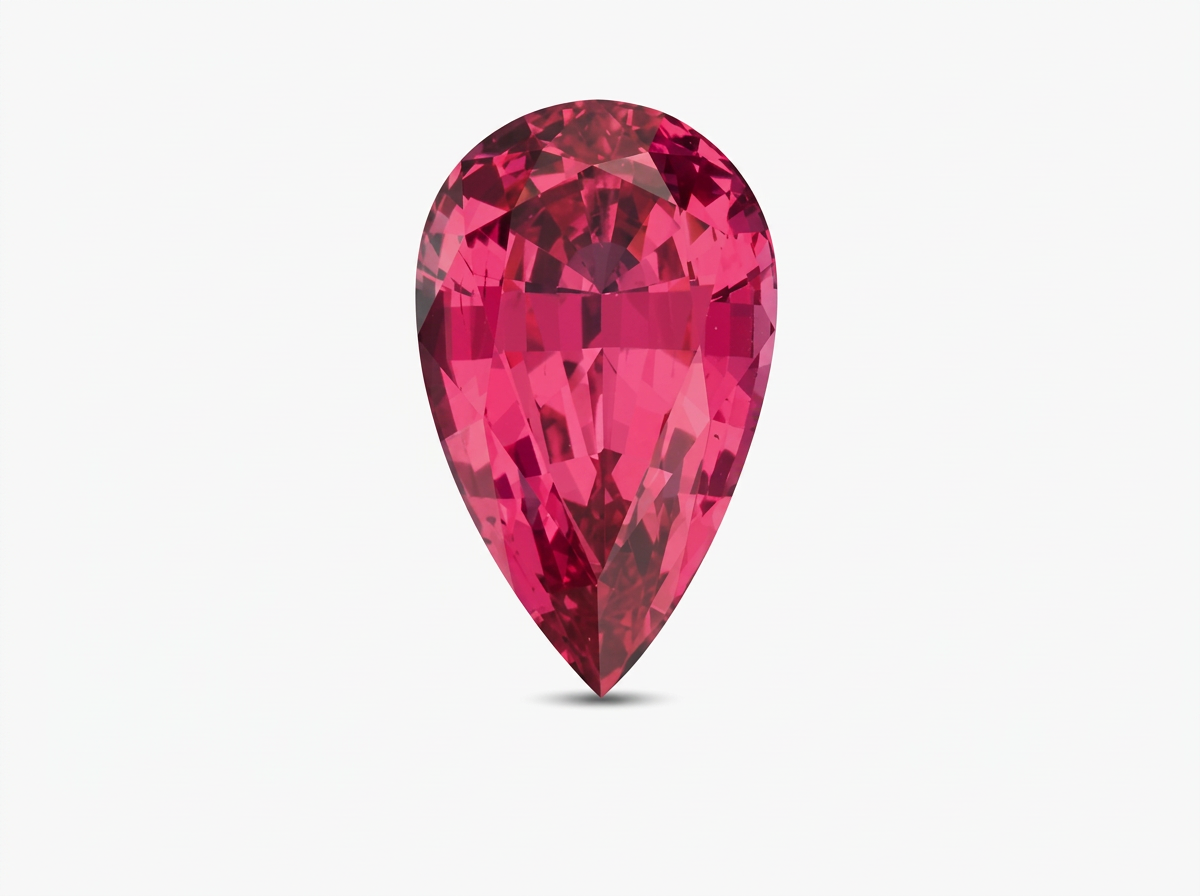
For centuries, red spinel was called ruby. The Black Prince's Ruby in the British Imperial State Crown is actually a spinel. Today spinel is loved on its own terms. Bright red plus hot pink spinels are rising fast with collectors.
What really drives value
The name of the stone is only the start. Two rubies can look alike plus be worlds apart in value. Here is what makes the difference.
- Color. Strong, pure color matters most for colored stones.
- Origin. Some places, like Kashmir or Mogok, add real value.
- Treatment. An untreated stone is rarer than a treated one.
- Size. Fine color in a large size is far harder to find.
- Paperwork. A report from a respected lab like GIA tells you what you hold.
See a rare stone in Dubai
Reading about these stones is one thing. Holding one is another. At Studio ALOI we source fine gemstones with lab reports, then design the jewelry around the stone you love.
Book a private appointment at our Dubai atelier. Tell us the stone you dream of plus we will help you find it.
What is the rarest gemstone in the world?
Among well-known gems, red diamond is often called the rarest. Only a small number of pure red diamonds have ever been found.
Is ruby more valuable than diamond?
A fine, large ruby can be worth more than a diamond of the same size. Fine ruby is much rarer.
Can I buy rare gemstones in Dubai?
Yes. Dubai is a major gem trading hub. Buy from a jeweler who shows you a lab report plus explains any treatment.
Thinking about commissioning?
Tell us what's in your head — we'll come back with sketches.