Sourcing
Natural vs Laboratory-Grown Diamonds in Dubai

Choosing a diamond is about more than sparkle. It is about understanding which origin, specifications and budget fit you best. If you are comparing natural and laboratory-grown diamonds in Dubai, this guide helps you compare the main differences and ask the right questions before buying. For more guidance, see our Diamond Buying Guide.
What Is a Laboratory-Grown Diamond?
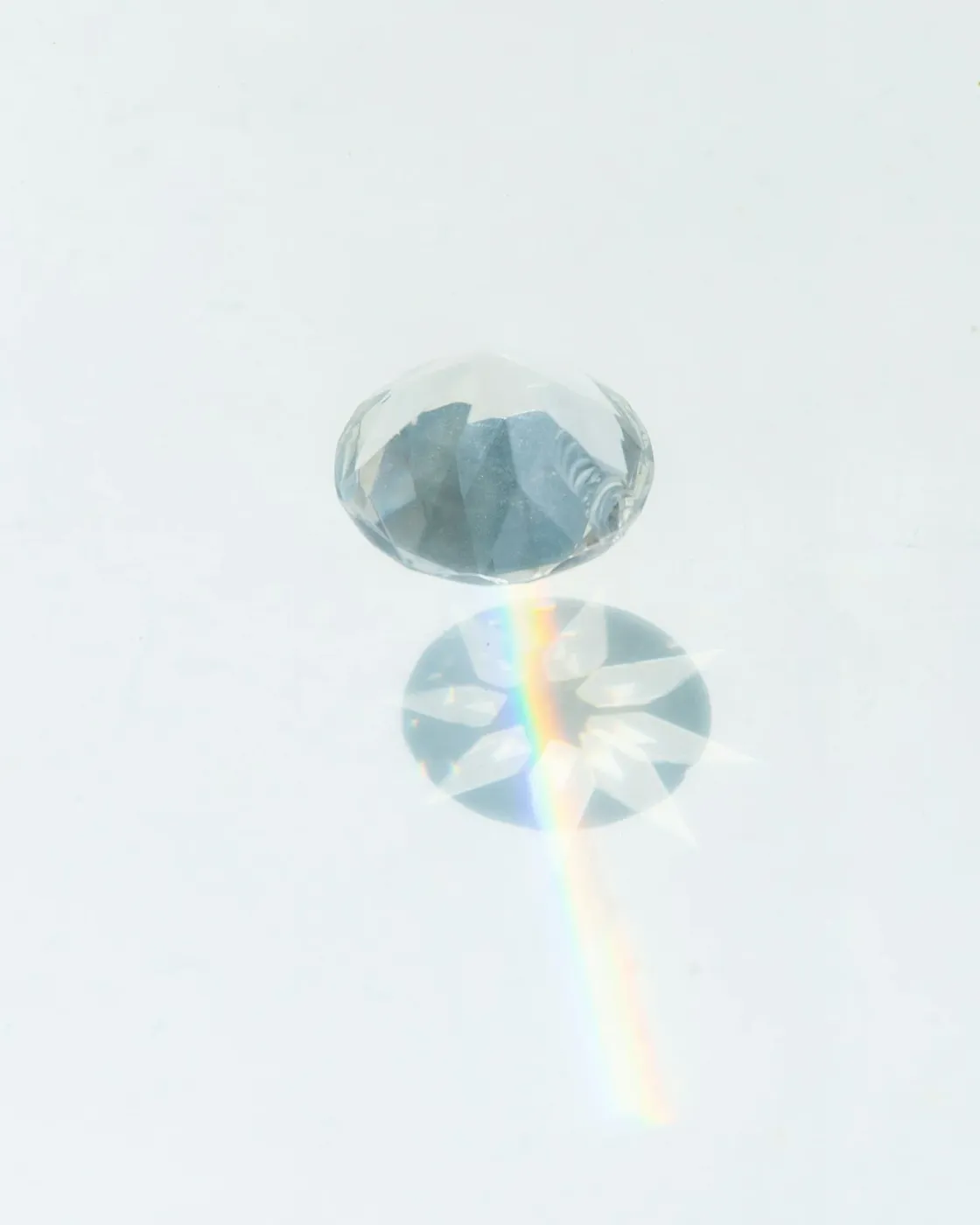
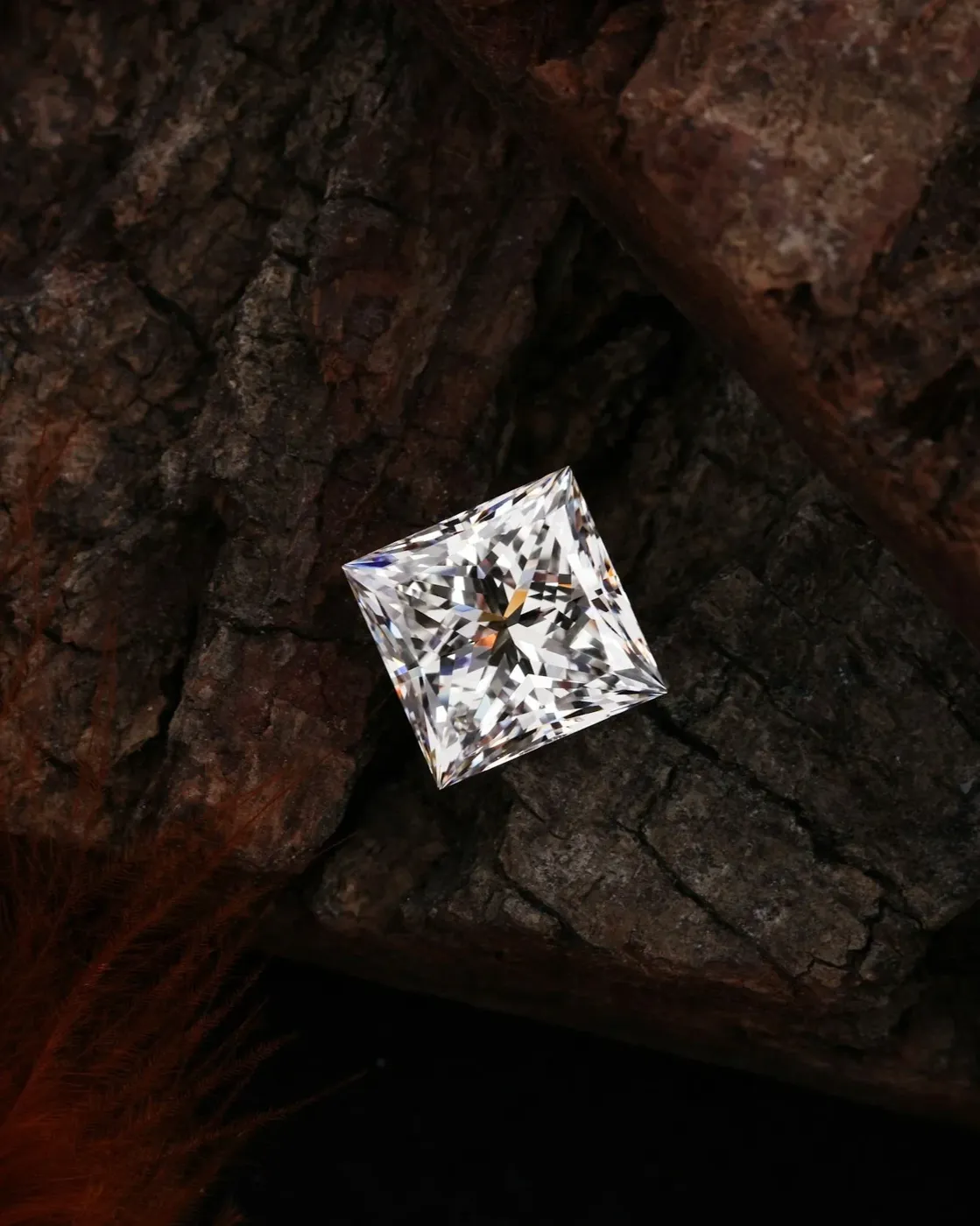
Laboratory-grown diamonds are not diamond simulants. They are produced using HPHT or CVD methods and have essentially the same chemical composition, crystal structure, optical properties and physical properties as natural diamonds.
Depending on the stone, our laboratory-grown diamonds may be accompanied by reports or quality assessments from recognized gemological laboratories, including GIA and IGI. Natural and laboratory-grown diamonds cannot be reliably distinguished by sight alone; specialized testing is required.
Why Natural Diamonds Are Different
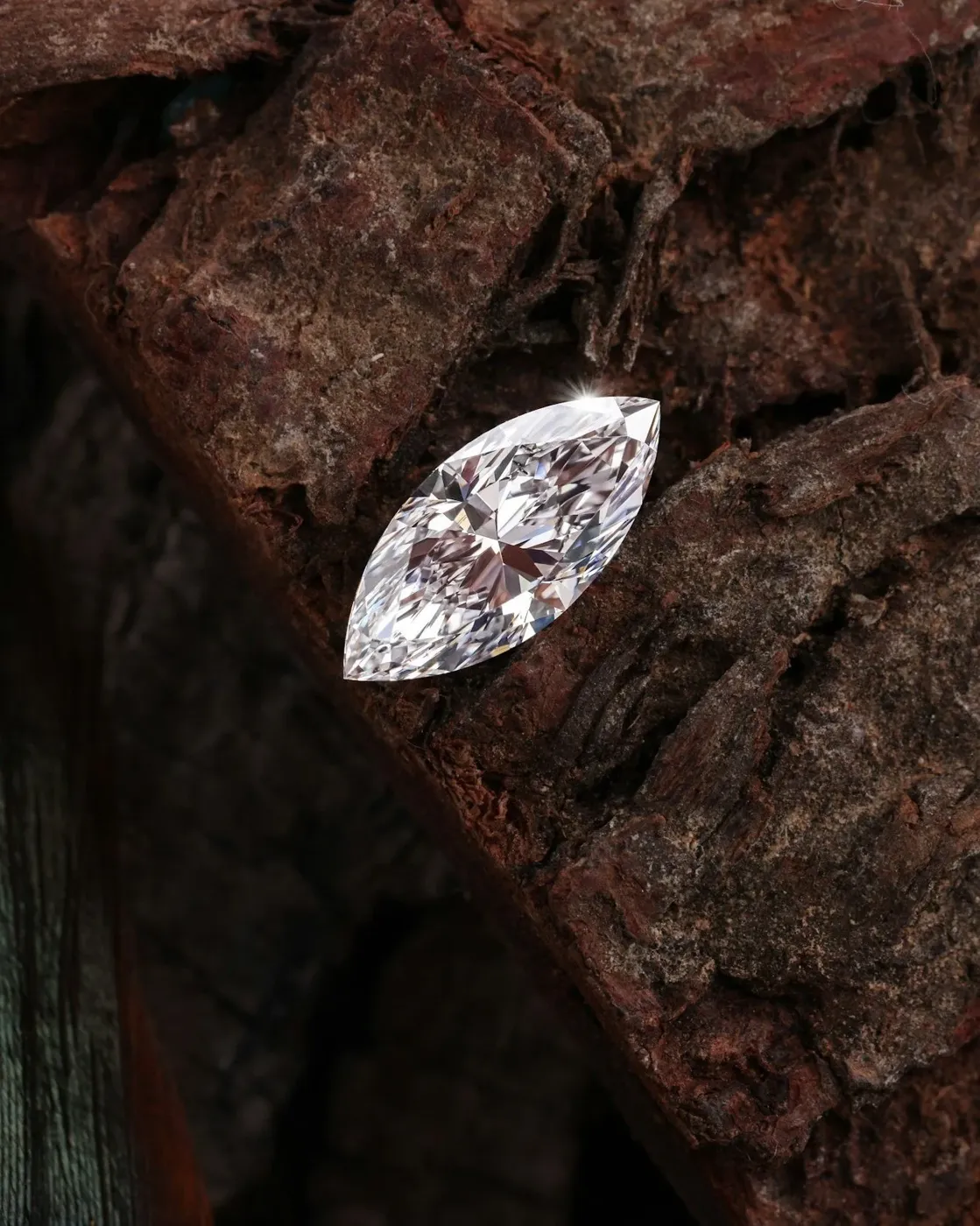
Natural diamonds formed billions of years ago under extreme heat and pressure. Each one is a unique piece of the earth’s history.
Many buyers choose natural diamonds for their rarity, geological origin and story. A well-chosen natural diamond can also become an heirloom, although resale value depends on the individual stone and market.
Why Choose Laboratory-Grown Diamonds?
Laboratory-grown diamonds have become a popular choice in Dubai for several reasons:
- They often have a lower initial retail price than comparable natural diamonds, allowing more of the budget to go toward size or specifications.
- Some buyers choose laboratory-grown diamonds because of price or production preferences. Environmental impact varies by producer, energy source and manufacturing method, so “laboratory-grown” should not be treated as an environmental claim by itself.
- They have essentially the same optical and physical properties, including hardness, as natural diamonds.
The main trade-off is the secondary market. Laboratory-grown diamonds generally have more limited resale markets, and resale value can differ substantially from the original retail price. If that matters to you, we can also show natural options.
Why Choose Natural Diamonds?
Natural diamonds remain the classic choice for good reason:
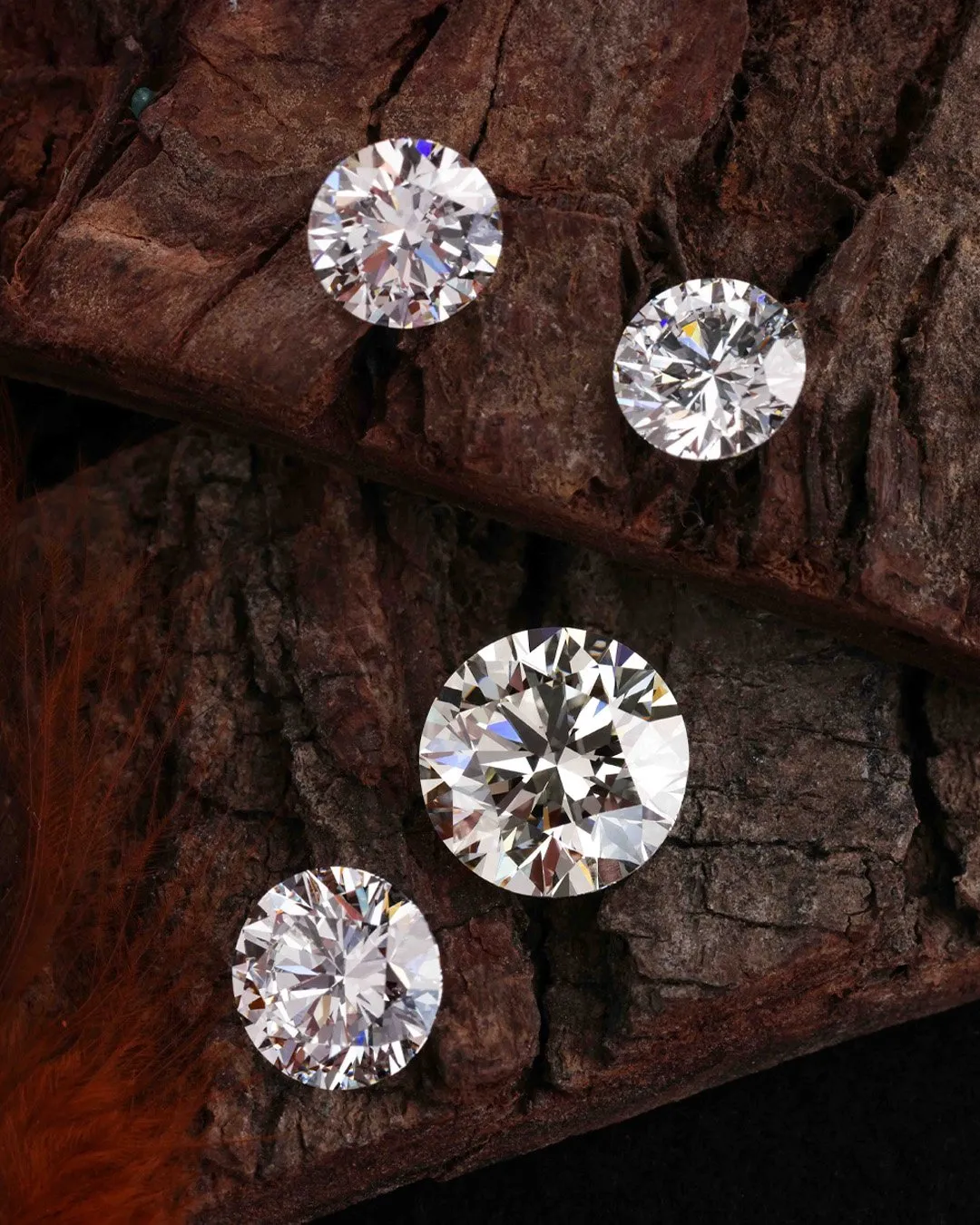
- Each one is a geological wonder formed over billions of years.
- Natural diamonds are the traditional choice for engagement rings and heirlooms; secondary-market value depends on the individual stone and market.
- For many buyers, the geological origin and age of a natural diamond are an important part of its appeal.
We work with suppliers that meet our requirements for sourcing, documentation and disclosure, so you can make a decision based on clear information.
Key Questions for Dubai Buyers
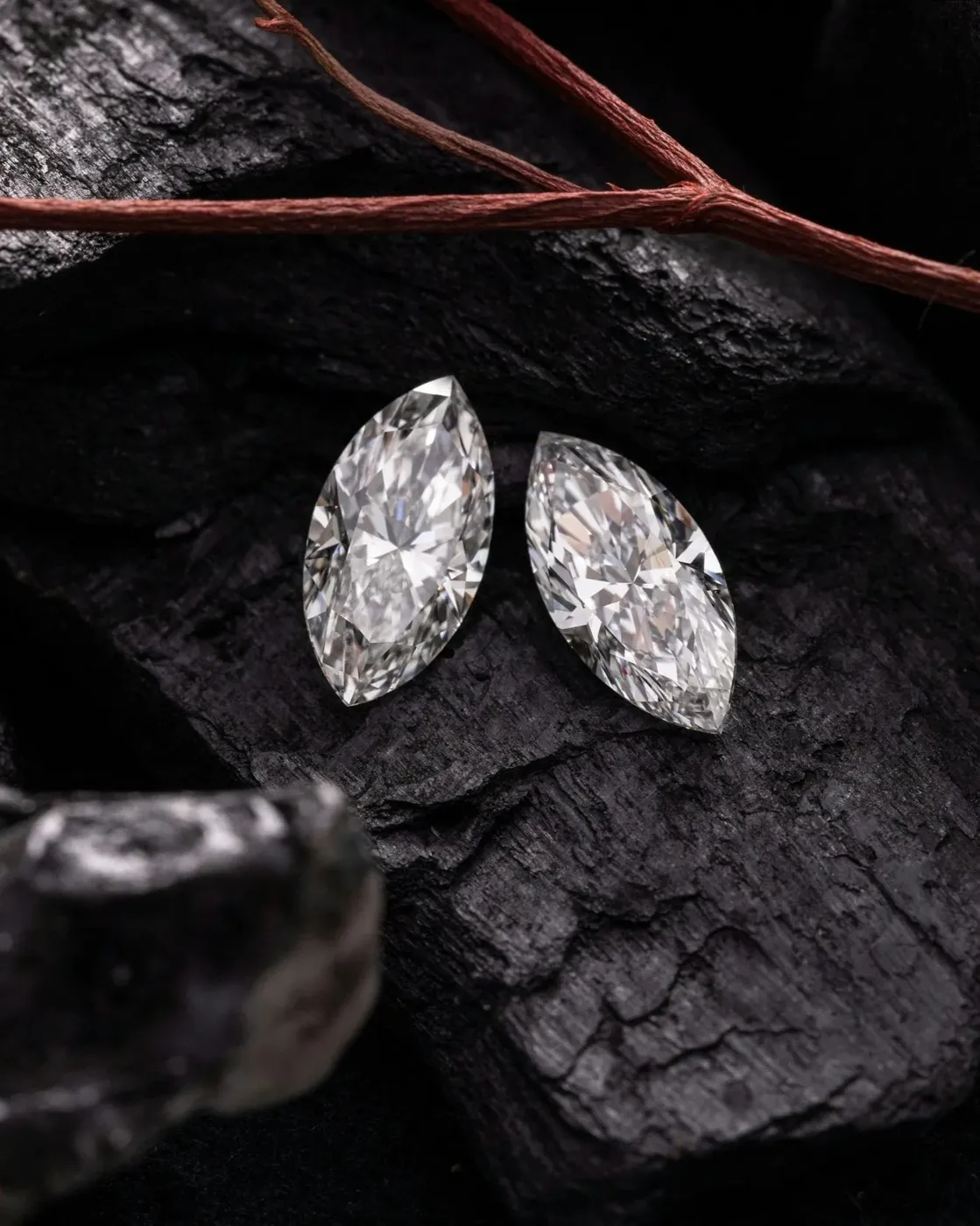
In Dubai, some buyers choose laboratory-grown diamonds for size and price, while others prefer natural diamonds for their geological origin, rarity and tradition.
Ask yourself:
- Do you want a bigger stone for your budget?
- How important is geological origin or production method to you?
- Will this diamond become a family piece one day?
There’s no wrong choice — only what’s right for you. The Studio ALOI team is here to help you compare your options.
Common Questions About Natural vs Laboratory-Grown Diamonds
Are laboratory-grown diamonds diamond simulants?
No. Laboratory-grown diamonds are not diamond simulants. They have essentially the same chemical composition, crystal structure, optical properties and physical properties as natural diamonds.
Can you see the difference with the unaided eye?
Not reliably. Specialized gemological equipment and testing are used to identify whether a diamond is natural or laboratory-grown.
Do laboratory-grown diamonds retain resale value?
Their secondary market is generally more limited, and resale value can differ substantially from the original retail price. Many buyers choose them primarily for appearance and a lower initial cost.
Do laboratory-grown diamonds come with laboratory reports?
Yes. Depending on the stone, a laboratory-grown diamond may be accompanied by a report or quality assessment from a recognized gemological laboratory. We also check that the stone matches the documentation provided.
Why Choose Studio ALOI?
Both natural and laboratory-grown diamonds can be beautiful choices. What matters is understanding origin, specifications, documentation and what matters most to you. Studio ALOI can help you compare the options clearly.
Book your Dubai diamond consultation with Studio ALOI today.
Thinking about commissioning?
Tell us what's in your head — we'll come back with sketches.