Sourcing
Kashmir sapphire: how to know what you are holding
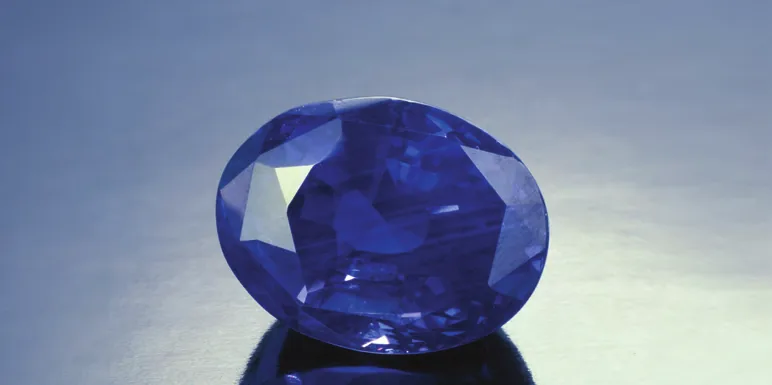
Say the word Kashmir in a sapphire room plus everyone leans in. Then the price appears plus everyone leans back. Let us look at why.
A very short supply story
The deposits were found high in the Himalayas in the 1880s. The easy pockets ran out fast. By the 1930s the mining had effectively stopped. So nothing new is arriving. Stones simply change hands.
That velvety look
Fine Kashmir stones look slightly sleepy, like blue silk under glass. Microscopic silk inside the crystal softens the light plus deepens the colour. Burma plus Ceylon can match the hue, yet rarely that texture.
Hold the stone in indirect daylight. Glassy and hard-edged? Probably not Kashmir.
Colour, in the words the trade uses
GIA describes colour with hue, tone plus saturation. Hue is the colour itself. Tone is how light or dark it runs. Saturation is how vivid it looks. Kashmir at its best is a medium-toned, highly saturated violetish blue.
Reports worth asking for
- SSEF, the Swiss Gemmological Institute, respected for origin calls.
- Gübelin, the same level of authority, especially on estate stones.
- AGL, American Gemological Laboratories, widely accepted in the United States.
- GIA, accepted everywhere, plus excellent on treatment detection.
Read the treatment line first, then the origin line. Untreated changes the price far more than most buyers expect.
Before you buy
Ask three questions. Is it heated? Who called the origin? May I see it in daylight? A good seller answers all three without flinching.
Looking for a fine blue sapphire in Dubai? Tell us your colour plus your budget in dirhams. We will source options, share the reports plus set it however you dream it.
Thinking about commissioning?
Tell us what's in your head — we'll come back with sketches.