Collecting
Imperial topaz, the trophy stone people forget
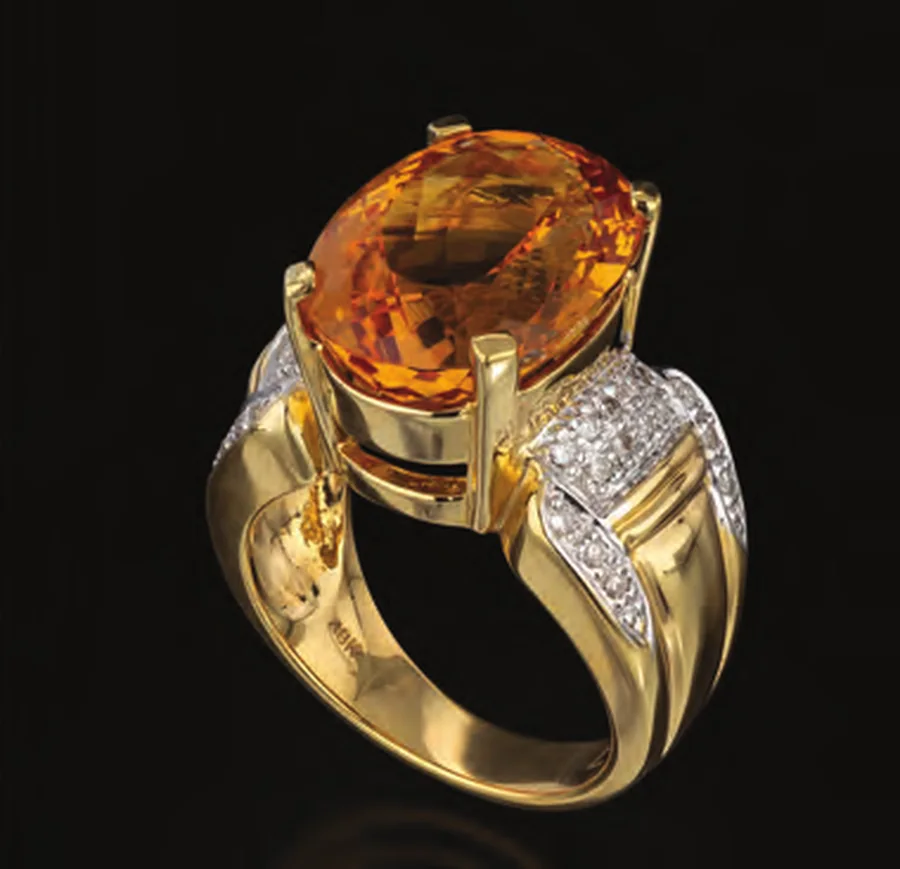
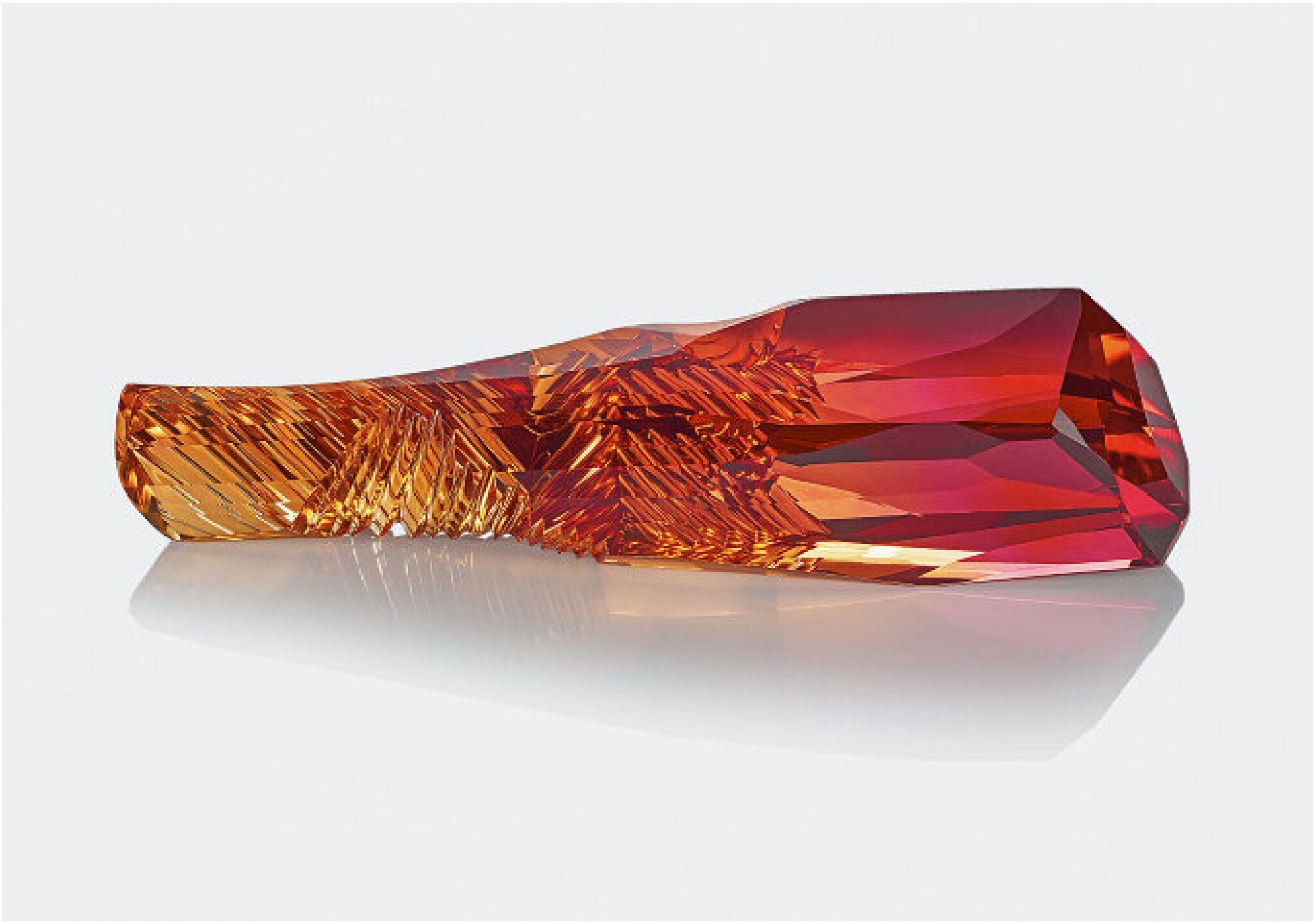
Sunset in a stone. That is the easiest way to describe fine imperial topaz. Warm pinkish orange, glowing, plus surprisingly hard to find.
Where it comes from
The classic source is Ouro Preto in Minas Gerais, Brazil. Topaz turns up in many colours around the world, yet this peach-to-golden range from one small region is the one collectors want.
What to look for
- Colour first. Pinkish orange beats plain yellow every time.
- Clarity. Fine topaz is usually eye-clean, so do not settle.
- Cut. Good cutting keeps the glow alive across the whole stone.
- Size. Above five carats in top colour, things get genuinely rare.
Living with it
Topaz is hard, yet it has perfect cleavage in one direction. Translated, it can chip if you knock it hard on a corner. So it makes a wonderful pendant or earring, plus a ring with a protective setting.
Clean it with warm water, mild soap plus a soft brush. Skip the ultrasonic machine plus the steamer.
Why we love it at the atelier
It flatters warm skin. It sits beautifully in yellow gold. Plus it costs a fraction of a fine ruby in the same size. Rare without the queue.
We can source imperial topaz for pendants, cocktail rings plus earrings. Tell us the size you imagine plus we will send you options in AED.
Thinking about commissioning?
Tell us what's in your head — we'll come back with sketches.