Sourcing
Diamond Buying Guide
In this guide, we share clear and friendly advice to help you confidently select a diamond that reflects your personality and meets your expectations.
Understand the 4Cs of Diamonds
The 4Cs — Color, Clarity, Cut and Carat Weight — help describe natural diamond quality:
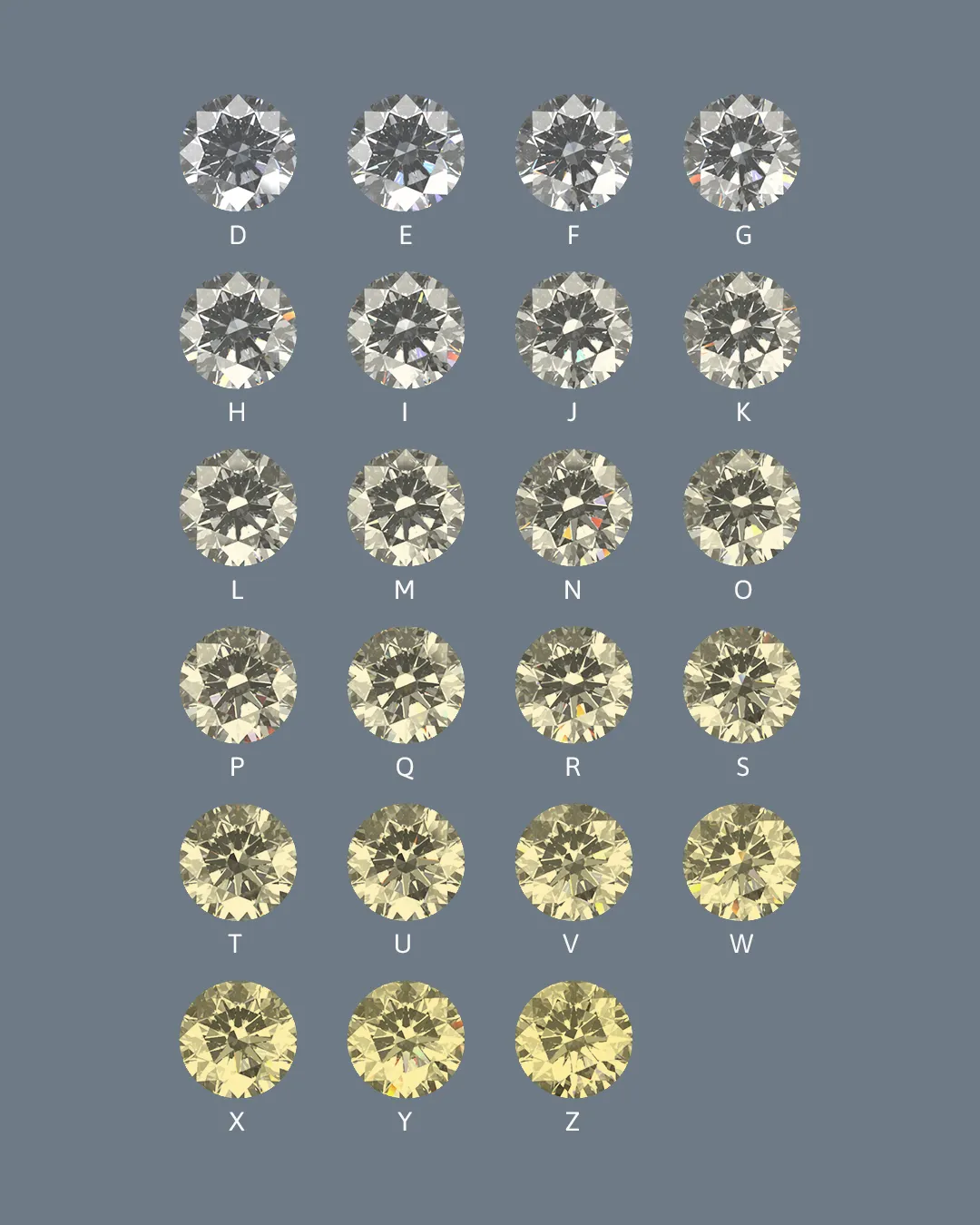
Color: Finding Your Shade
For natural diamonds, the GIA color scale runs from D to Z. D is at the colorless end; toward Z, visible tint increases. D–F is generally colorless, while G–J is near-colorless.
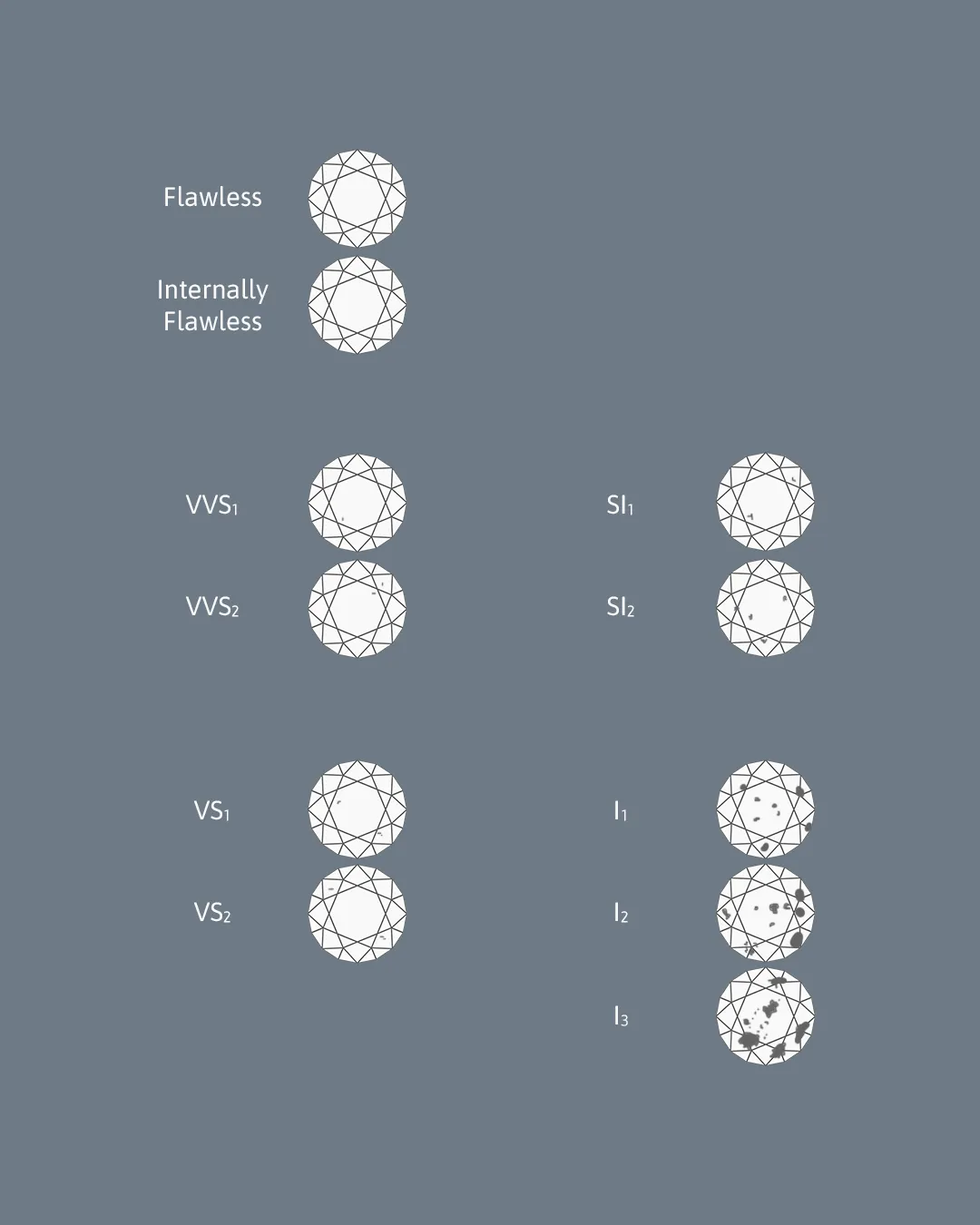
Clarity: Embracing Imperfections
Almost all natural diamonds have internal or surface characteristics. A clarity grade describes how noticeable they are under standard grading conditions. Some VS or SI diamonds can appear eye-clean, depending on the individual inclusions.
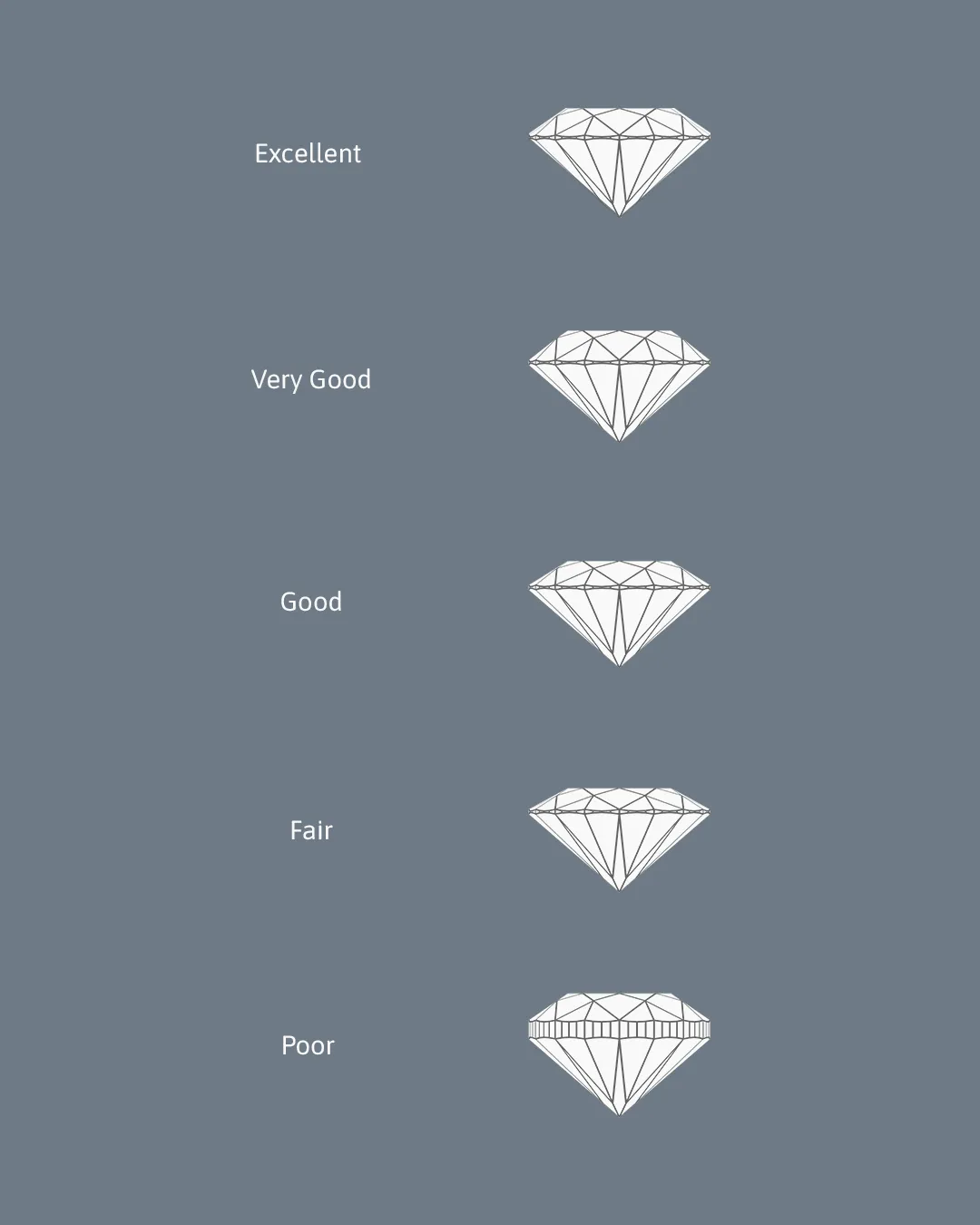
Cut: Bringing Out the Sparkle
Cut quality influences how a diamond returns light and displays brightness, fire and scintillation. For round brilliants, we usually begin by comparing Excellent and Very Good grades, then look at the stone’s actual proportions.
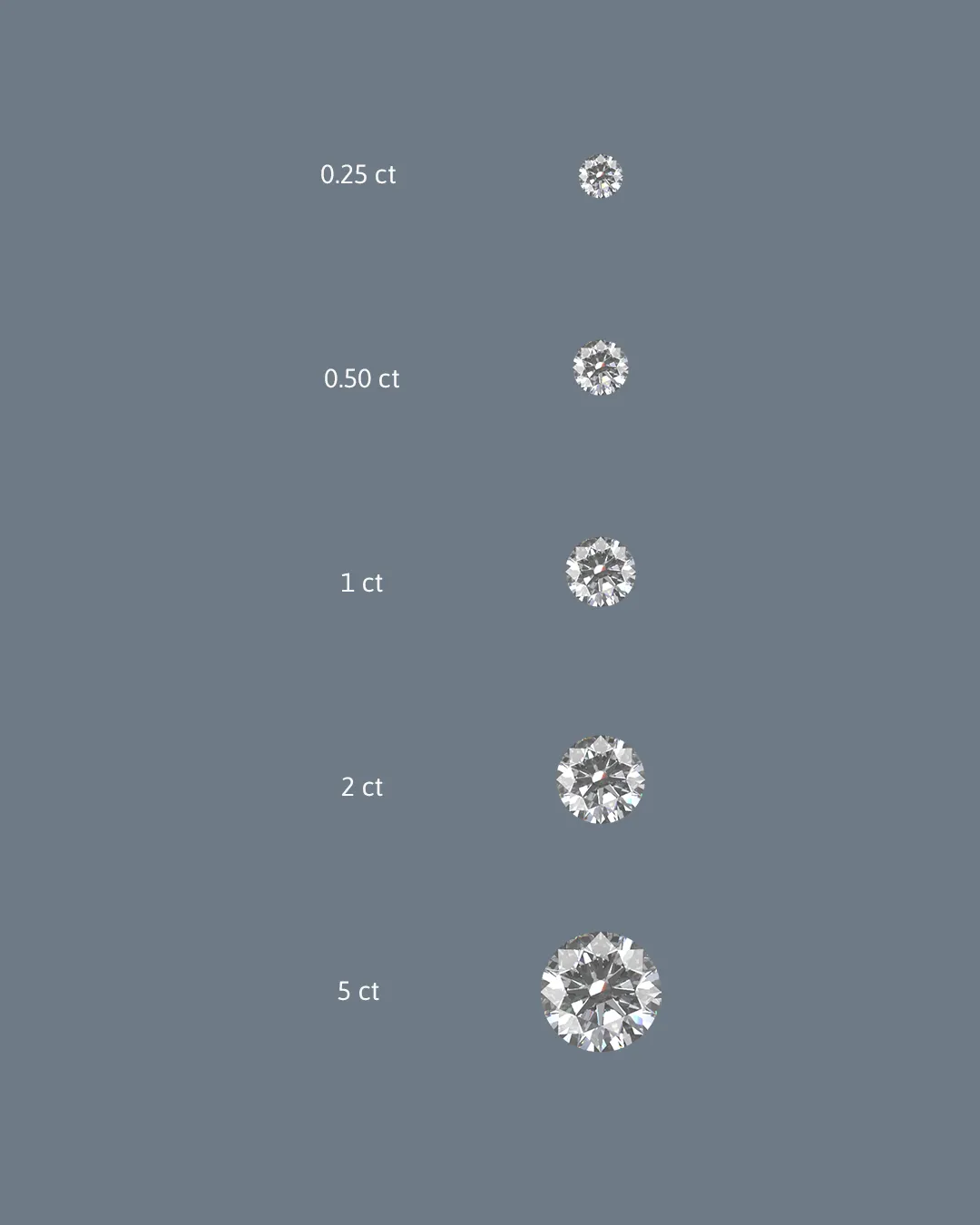
Carat Weight: Weight and Visual Size
Carat weight measures a diamond’s mass: 1 carat equals 0.20 grams. It does not directly measure diameter, so two diamonds of the same weight can look different depending on shape and proportions. Stones just below popular weight thresholds can sometimes cost less while appearing very similar in size.
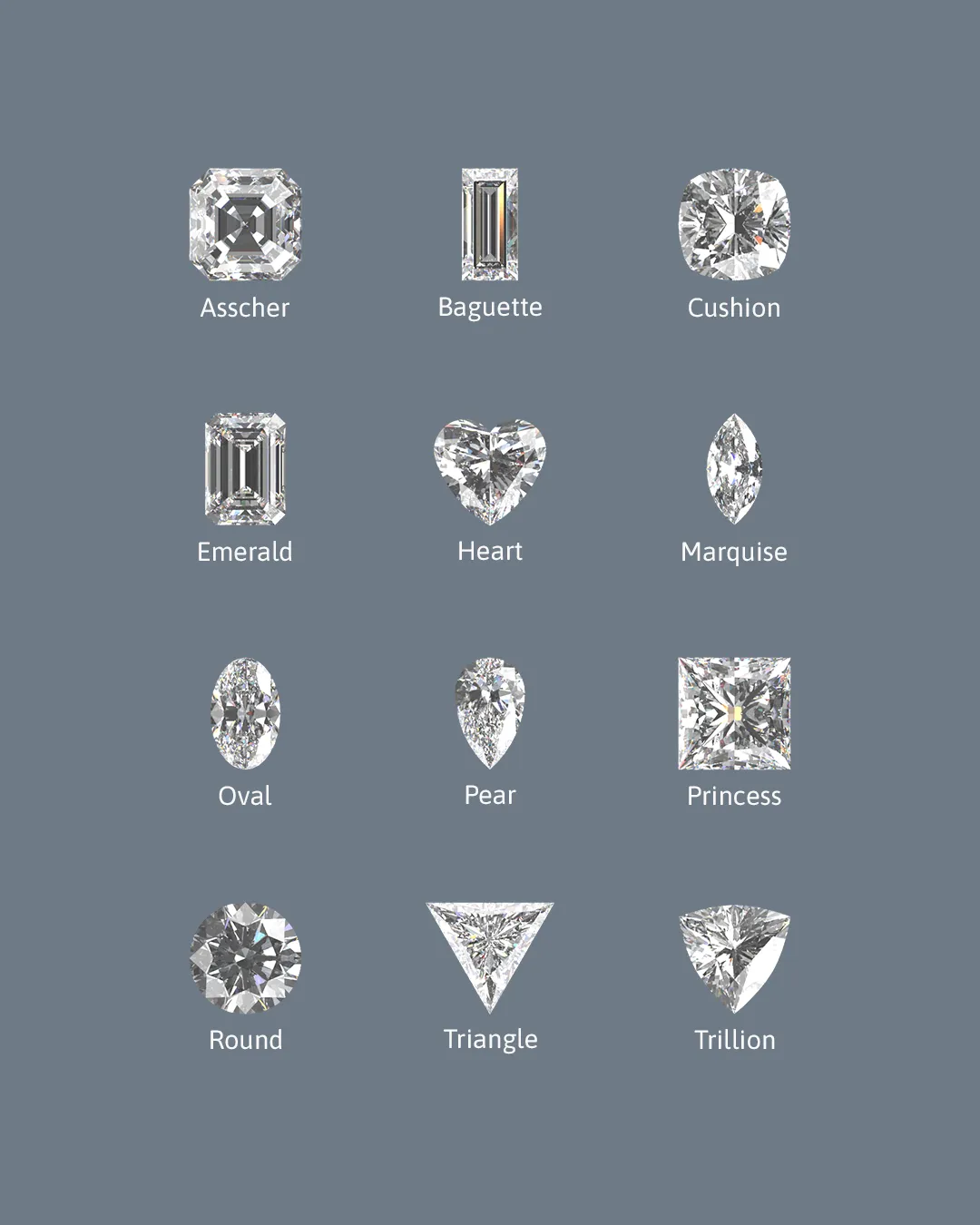
Choose a Diamond Shape That Fits You
Diamond shapes express your individual style. Visualize how each shape complements your hand or browse inspiration photos to discover your perfect match.
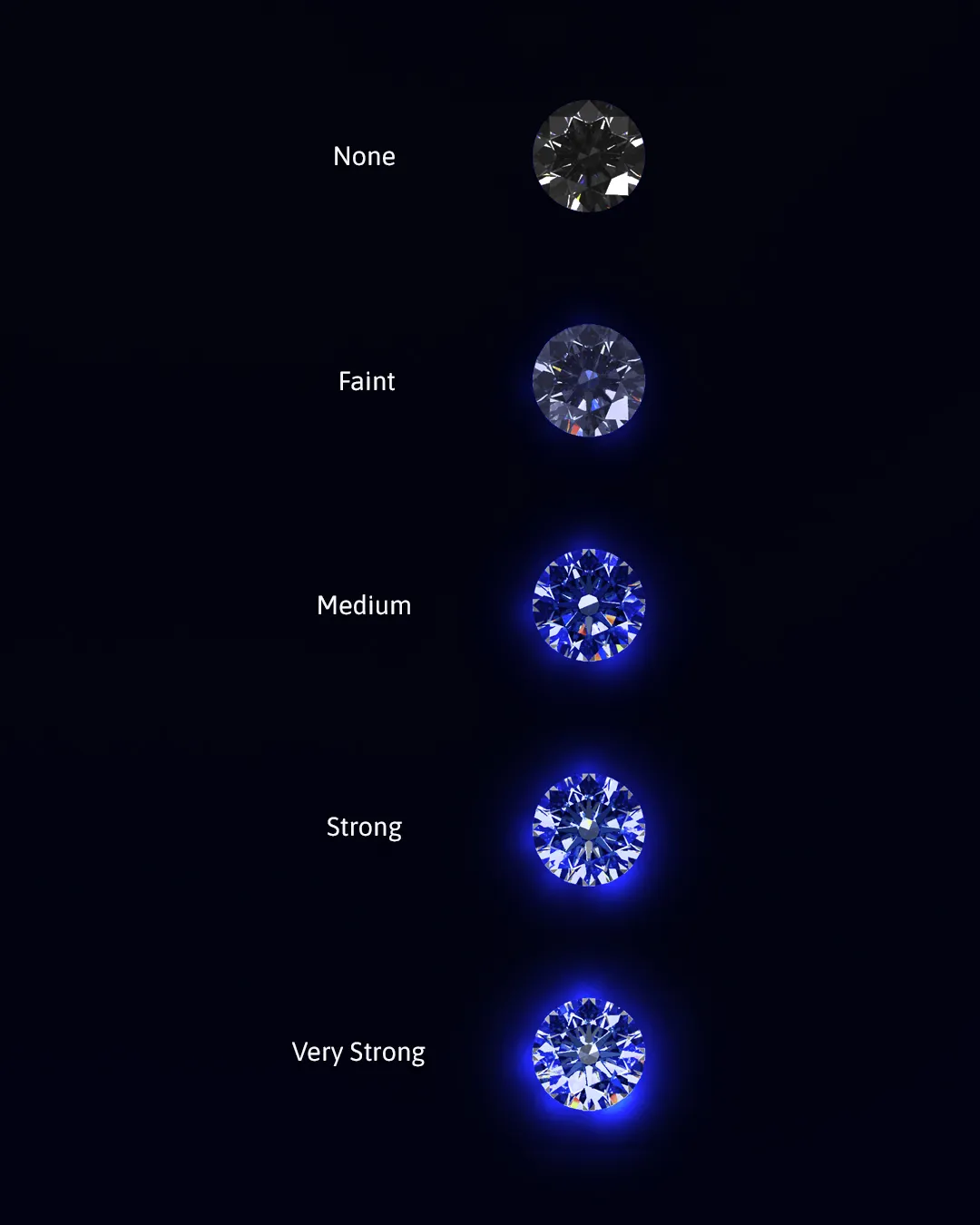
Diamond Fluorescence: Hidden Value in the Glow
Diamond fluorescence is a gentle glow some diamonds emit under ultraviolet (UV) rays, usually appearing blue. Around a third of diamonds exhibit some fluorescence, but noticeable intensity is less common. Bluish fluorescence can enhance lower color grades (I–M), making faintly yellow diamonds appear whiter in daylight, sometimes increasing their value. In higher grades (D–H), strong fluorescence may lower the price due to perceived haziness, although actual clarity impact is rare, providing opportunities for excellent value.
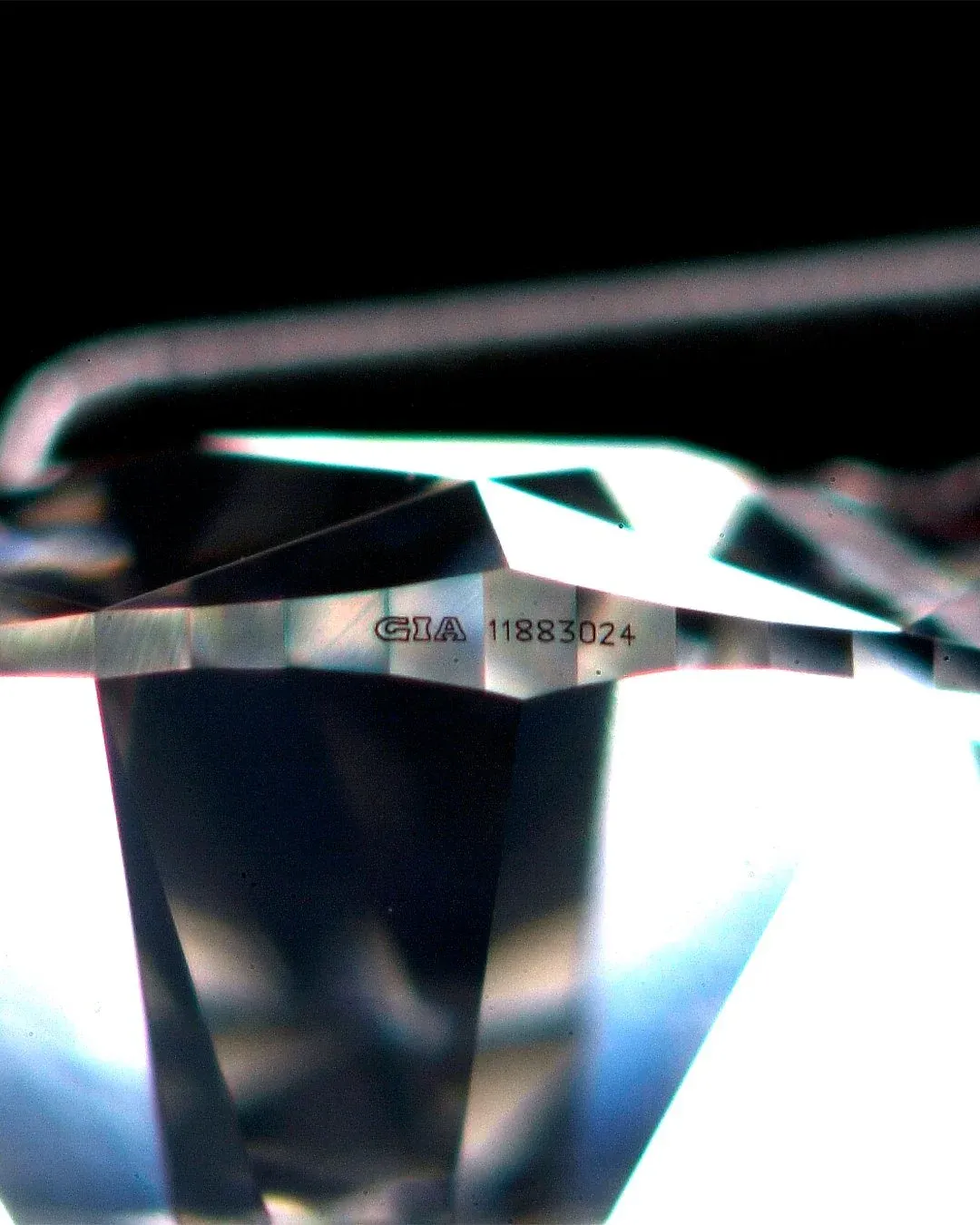
Why an Independent Laboratory Report Matters
For significant purchases, choose diamonds with reports from recognized independent laboratories such as GIA, IGI or HRD, where applicable. If the girdle carries a laser-inscribed report number, it can be checked against the document. The report describes the stone’s characteristics; it is not a guarantee of future value.
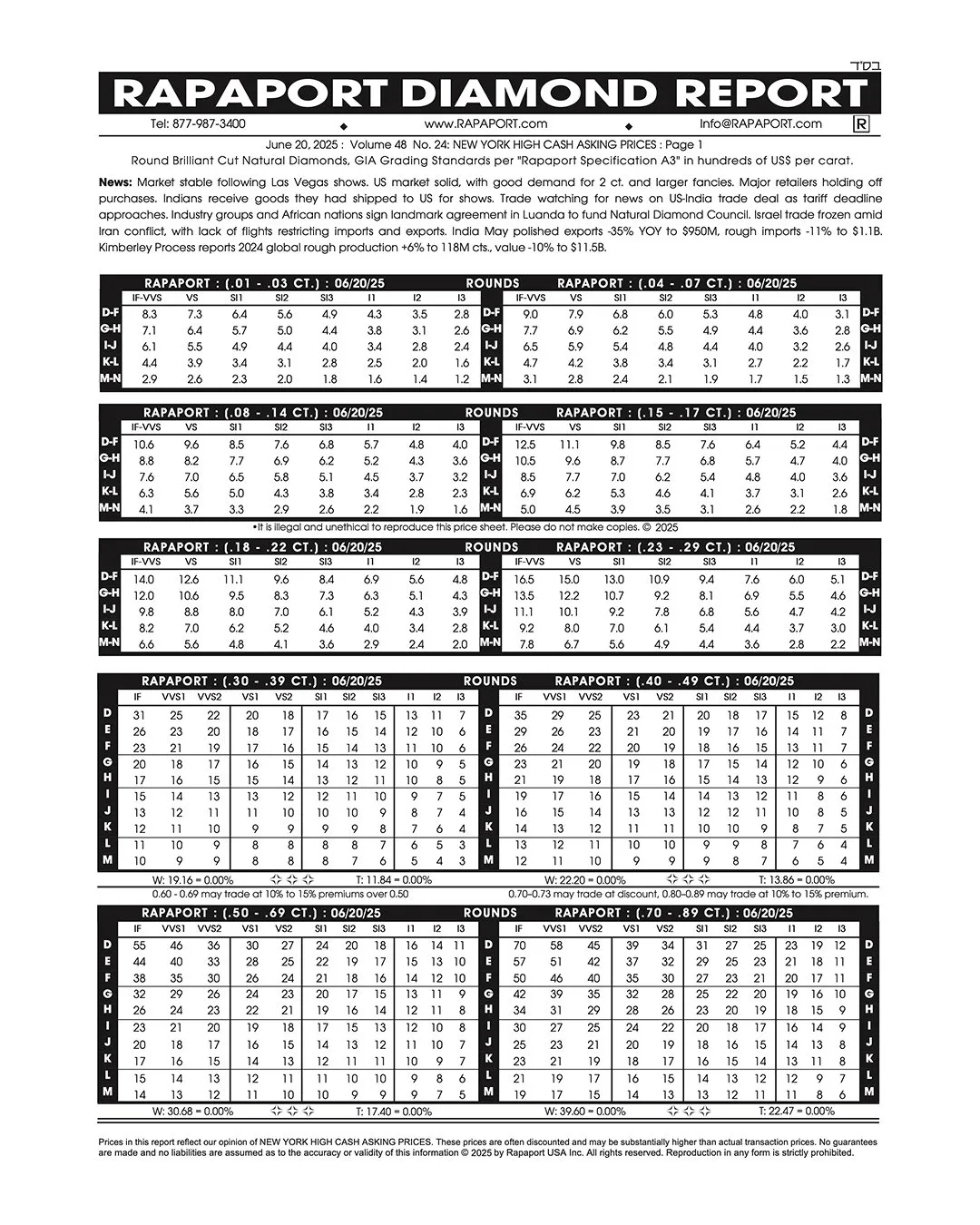
The Rapaport Price List: Diamond Pricing Guide
The Rapaport Price List is the diamond industry's primary reference for pricing diamonds. It provides suggested prices—not actual selling prices—based on what Rapaport believes dealers typically ask for diamonds that meet certain quality standards. Jewelers and traders worldwide use this guide as a starting point to negotiate and determine fair market prices.
Common Questions About Diamonds
Are laboratory-grown diamonds worth considering?
Yes. Laboratory-grown diamonds can be indistinguishable from natural diamonds by sight alone and often have a lower initial price. Their origin should always be clearly disclosed.
Do laboratory-grown diamonds hold their value?
Secondary markets for laboratory-grown diamonds are limited, and pricing can change as production expands. Their main appeal is usually the ability to prioritize size or specifications at a lower initial price, rather than future resale.
Can laboratory-grown diamonds come in fancy colors?
Laboratory-grown diamonds are available in fancy colors such as blue, pink, yellow and green. Color may result from growth conditions and/or post-growth treatment; known treatments should be disclosed.
Why Choose Studio ALOI?
At Studio ALOI, we offer personalized consultations in our Dubai atelier. You’ll receive expert guidance, view diamonds under various lighting conditions, and have the opportunity to create custom settings that perfectly showcase your chosen diamond.
Schedule Your Private Diamond Consultation Today
Thinking about commissioning?
Tell us what's in your head — we'll come back with sketches.