Sourcing
Why a beautifully cut diamond beats a bigger one
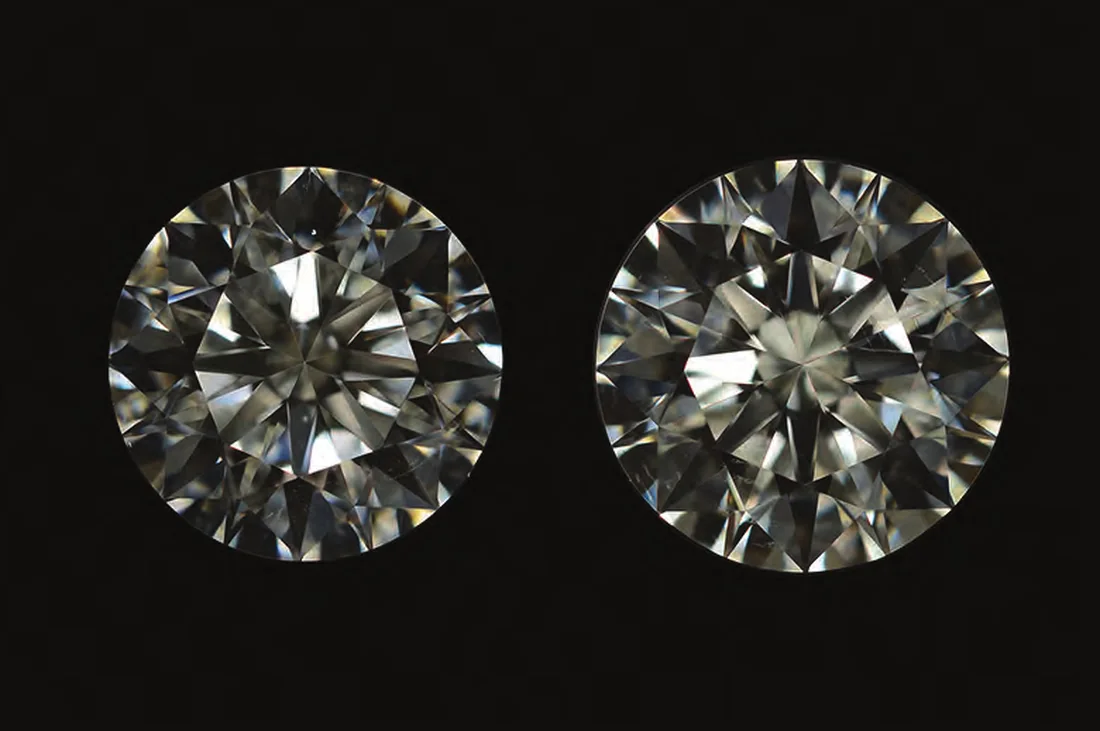
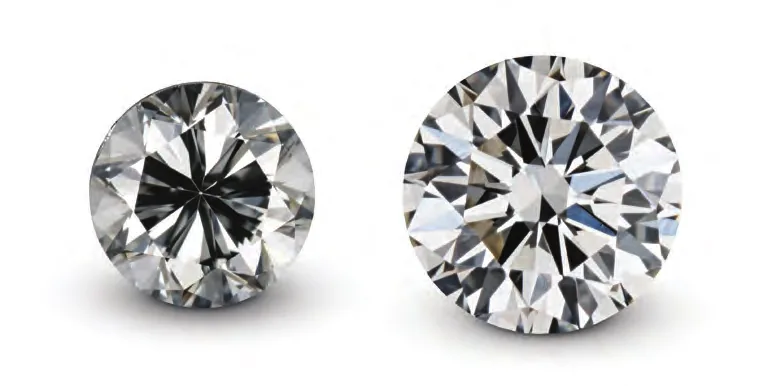
People tell us a diamond they were shown just looked dead. Nine times out of ten the answer is cut. Not colour. Not clarity. Cut.
What a cut grade measures
GIA grades the cut of a round brilliant by how well it handles light. Three things go into the look you love.
- Brightness, the white light the diamond sends back to your eye.
- Fire, the little rainbow flashes as the stone tilts.
- Scintillation, the bright-and-dark sparkle that moves when you move.
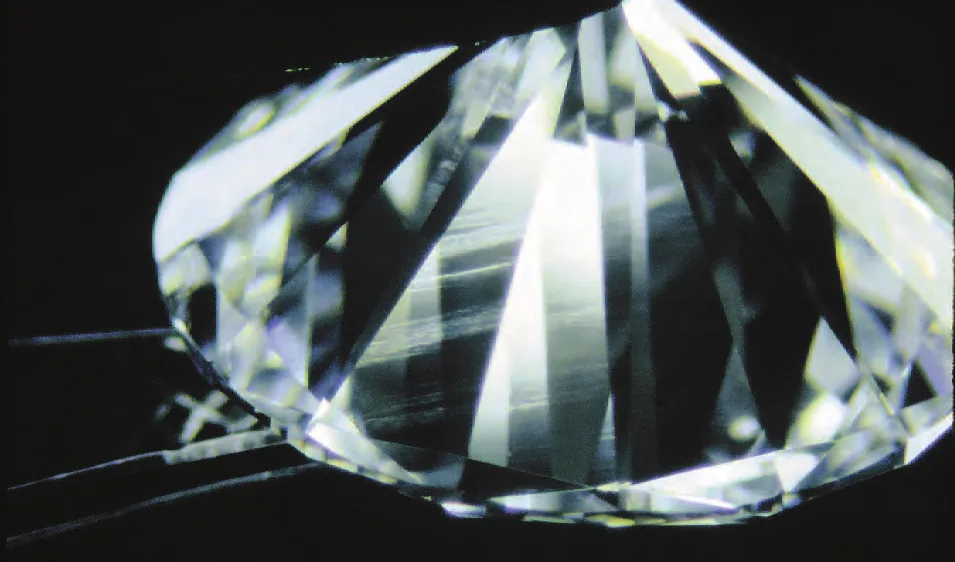
All three depend on proportions, symmetry plus polish. Cut a stone too shallow plus light escapes the bottom. Cut it too deep plus light slips out the side. A diamond is a small mirror maze. Every angle has a job.
Why cut wins in real life
Colour plus clarity look great on paper. Cut is what people notice when you reach for a glass of water. Put an excellent cut beside a lazy cut at the same weight, then watch which one people ask about.
Reading the report without the headache
For round brilliants, find the cut grade line. Excellent, Very Good, Good, Fair or Poor. We keep to Excellent for rounds. For fancy shapes such as oval, pear plus emerald, GIA does not give an overall cut grade, so read polish plus symmetry, then look at the stone in daylight.
"Precise workmanship is required to cut a diamond so its proportions, symmetry plus polish maximize brightness, scintillation plus fire."
— GIA, Diamond Essentials
The trade-off we suggest
If the budget pinches, drop a clarity grade. Drop a colour grade. Shave a few points off the weight. Try not to drop the cut. Cutting is the cheapest way to make a stone look expensive.
Want to see two stones side by side, with the lamp on plus nobody rushing you? Book a viewing at our Dubai atelier. Bring a friend. Trust your own eyes.
Thinking about commissioning?
Tell us what's in your head — we'll come back with sketches.