Collecting
Are coloured gemstones worth collecting?
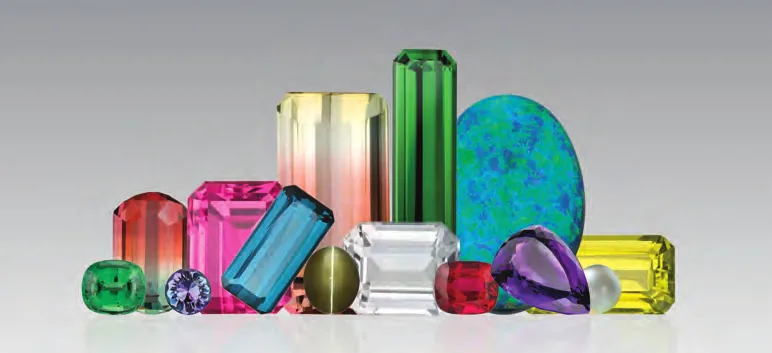
We hear this question every week in Dubai. Maybe you inherited a ring. Maybe you want one grown-up, beautiful thing. The honest answer is short. Buy what you will still wear in ten years.
What makes a gem a gem
GIA teaches three traits behind every gem. Beauty, rarity plus durability. Miss one of the three plus you have a pretty rock instead of a collecting piece.
"All gems possess some degree of beauty, rarity plus durability."
— GIA, Colored Stone Essentials
The names collectors ask for
- Burmese ruby, untreated, with strong red colour.
- Kashmir sapphire, untreated, from mines that went quiet in the 1930s.
- Colombian emerald with little or no oil, from Muzo or Chivor.
- Fancy colour diamonds, especially pink, blue plus red, with a natural colour report.
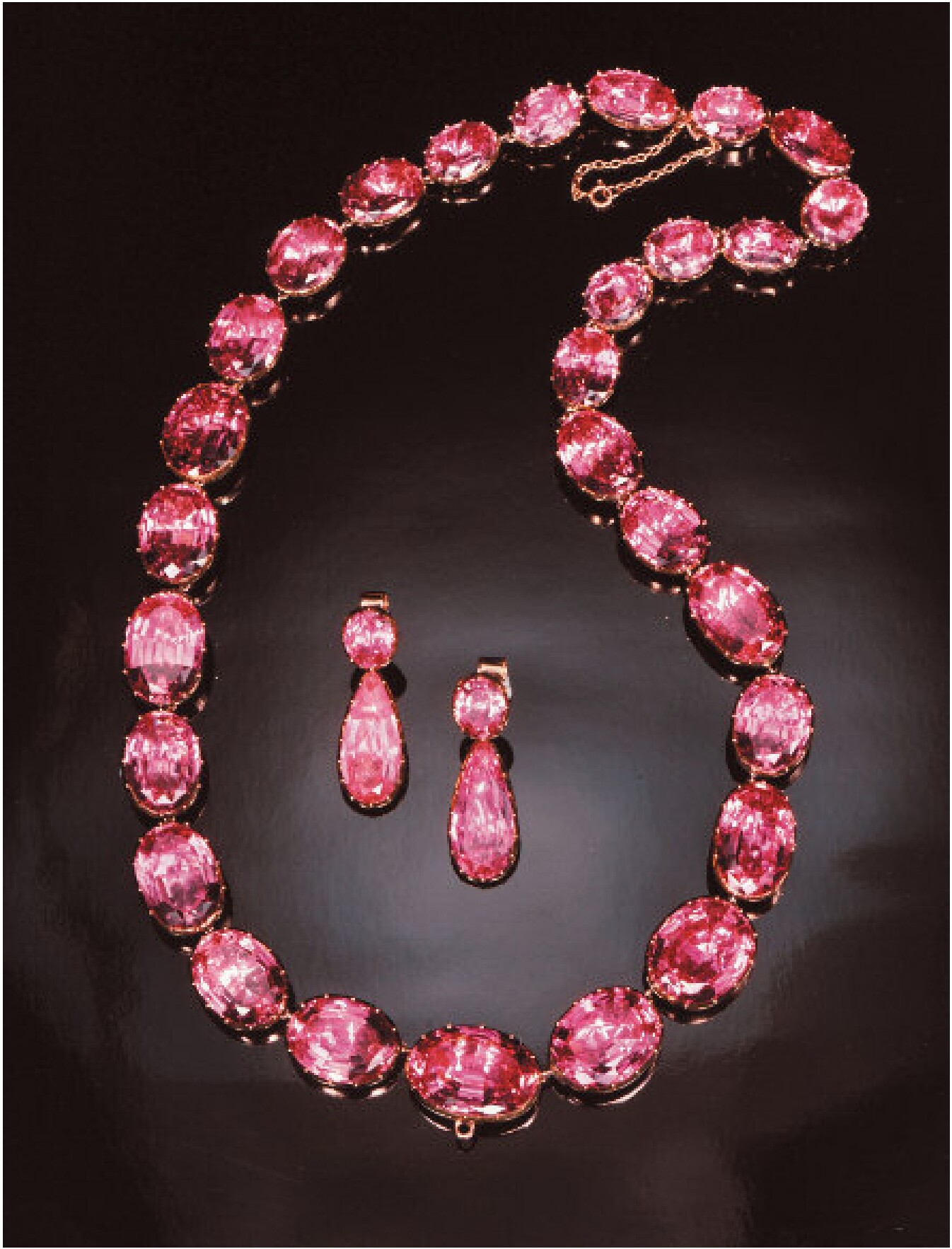
- Imperial topaz from Ouro Preto in Brazil, untreated.
Where people lose money
Heavily treated sapphires sold as untreated. Glass-filled rubies priced like fine ones. A rare-sounding name with no report behind it. If a big purchase has no independent paperwork, slow right down.
Why gemstones feel different from gold
Gold sleeps in a safe. A ruby ring goes to dinner with you. That is the quiet advantage of a fine stone. You get to live with it while it does its long, slow thing.
"The best piece I own is the one I reach for before dinner. It does more than sit in a safe."
— Studio ALOI client, 2025
How to start, simply
Start with one stone you love. Ask for a respected lab report. Work with someone who explains the stone in everyday words. Then set it in something you will actually wear.
We keep loose stones at the atelier plus we are happy to show you the difference between good, better plus rare. Book a viewing in Dubai whenever you like.
Thinking about commissioning?
Tell us what's in your head — we'll come back with sketches.