Collecting
Antique jewelry eras, from Victorian to Retro
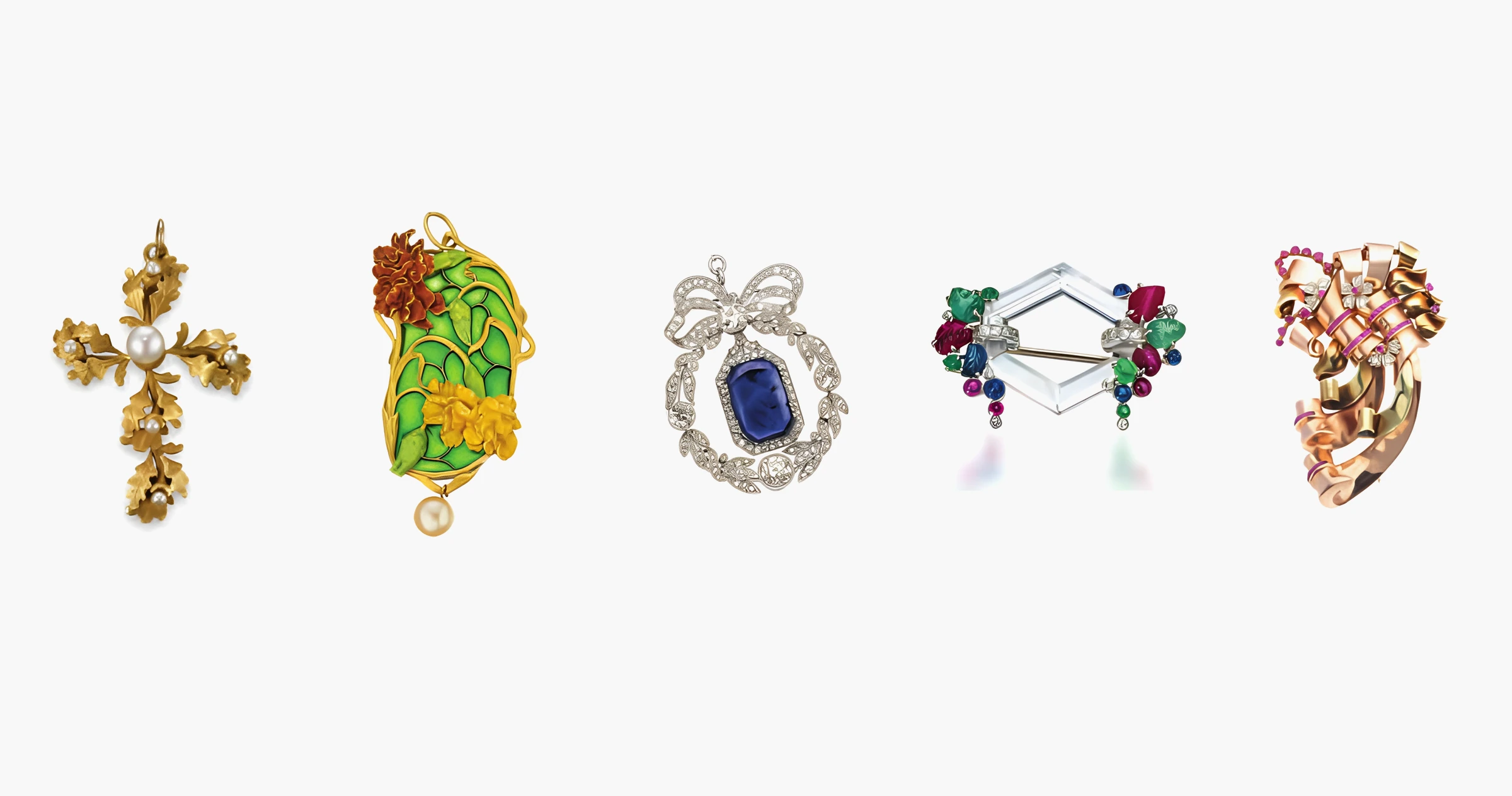
Pick up an old jewel and it starts talking. The shapes, the stones plus the metal tell you when it was made, sometimes almost to the decade. Once you know what to look for, you see it everywhere. In auction catalogs, in a family jewelry box, even in brand new designs.
Jewelry from a recognized time period is called period jewelry. Here are five of the best-loved eras, what makes each one different, plus how to tell a true antique from a modern tribute.
Victorian jewelry, 1837 to 1901
The Victorian era follows the reign of Queen Victoria. That is more than sixty years, so it holds many styles. Early pieces feel romantic. Later ones turn grand, then playful.
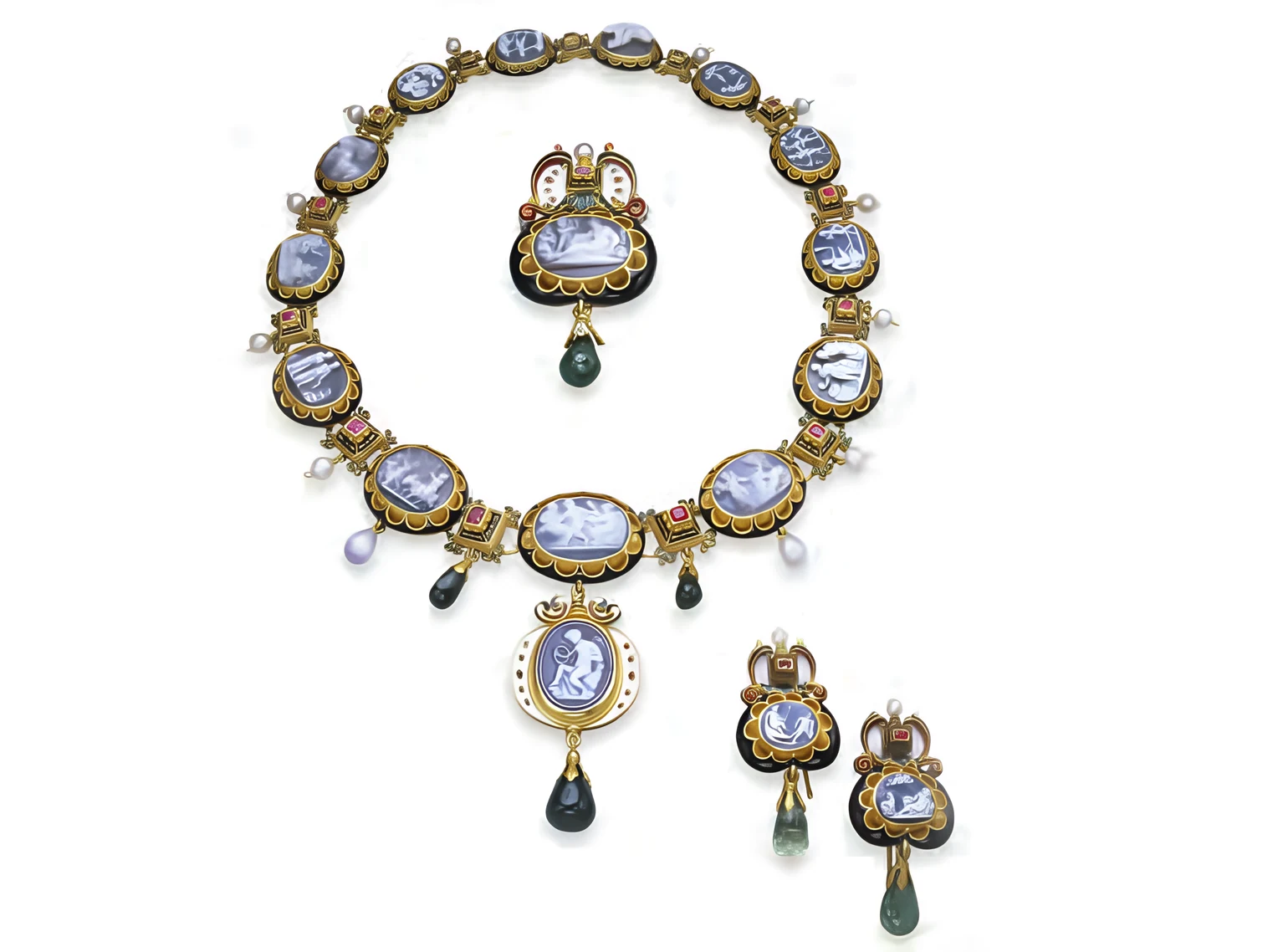
Matching sets were a must. A full suite could include a necklace, earrings plus a brooch, all made to be worn together. Victorians also loved looking back. Jewelers revived Greek, Roman, Egyptian, Gothic plus Renaissance designs, often inspired by ancient jewels being unearthed at the time.
Sentiment you could wear
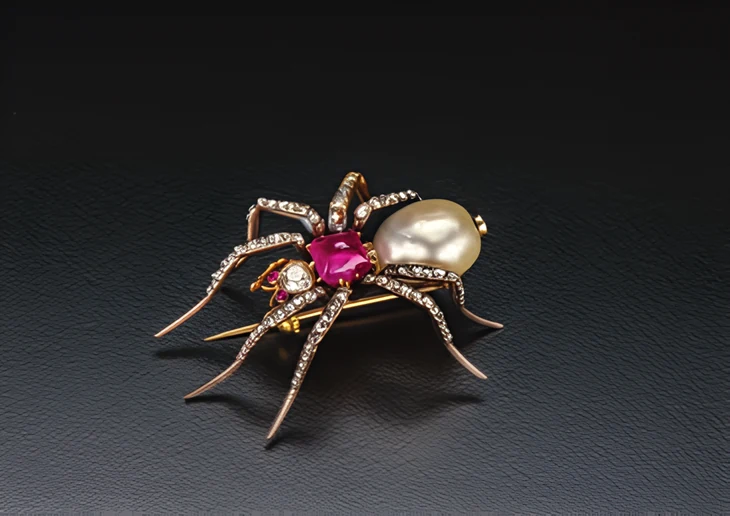
Victorian jewelry is full of feeling. Lovers exchanged romantic symbols. Locks of hair were set into brooches plus rings. Mourning jewelry in jet plus other black materials kept a loved one close.
Nature was everywhere too. Birds, insects, flowers plus leaves. Favorite gems included diamond, emerald, coral, amethyst, garnet plus turquoise. Cameos usually showed a pale profile against a darker background.
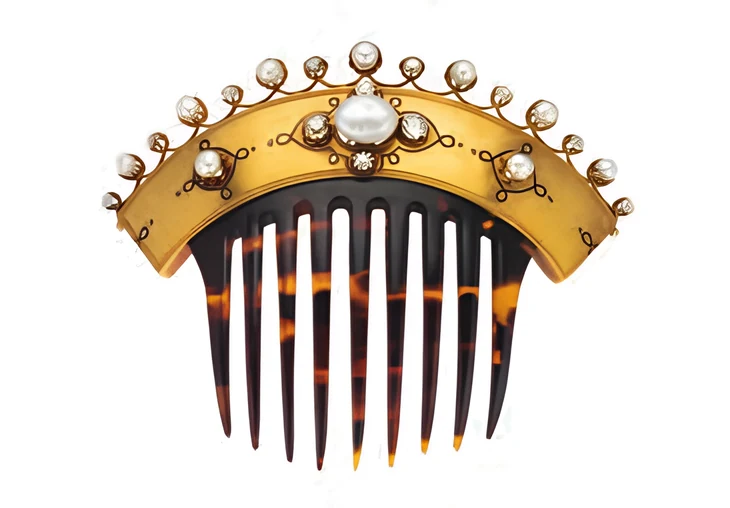
Look out for silver-topped gold as well. Jewelers attached a thick layer of silver to a gold base. Bright silver on the front, warm gold behind.
Art Nouveau jewelry, 1890 to 1914
Art Nouveau is French for new art. It broke away from all that looking back. Designers turned to living nature plus Japanese art, then let their lines flow.
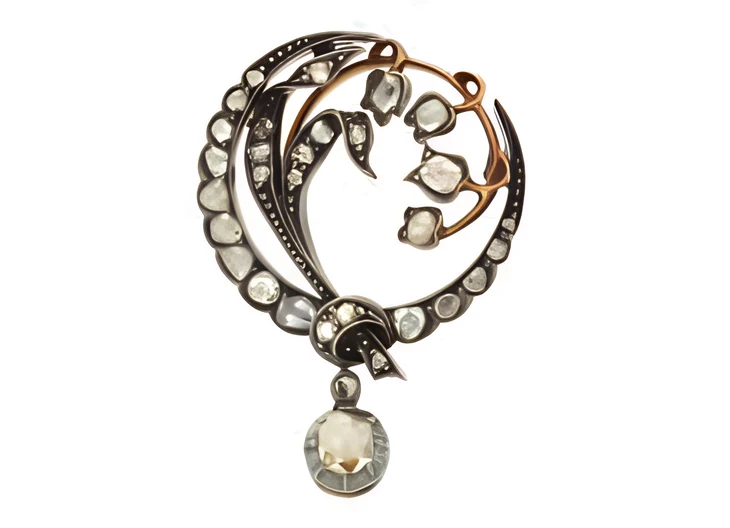
Expect curving lines, butterflies, dragonflies plus intertwining leaves. Women turn into flowers, mermaids or winged sprites. Dragons plus other mythical beasts appear too. René Lalique raised this jewelry to the level of fine art.
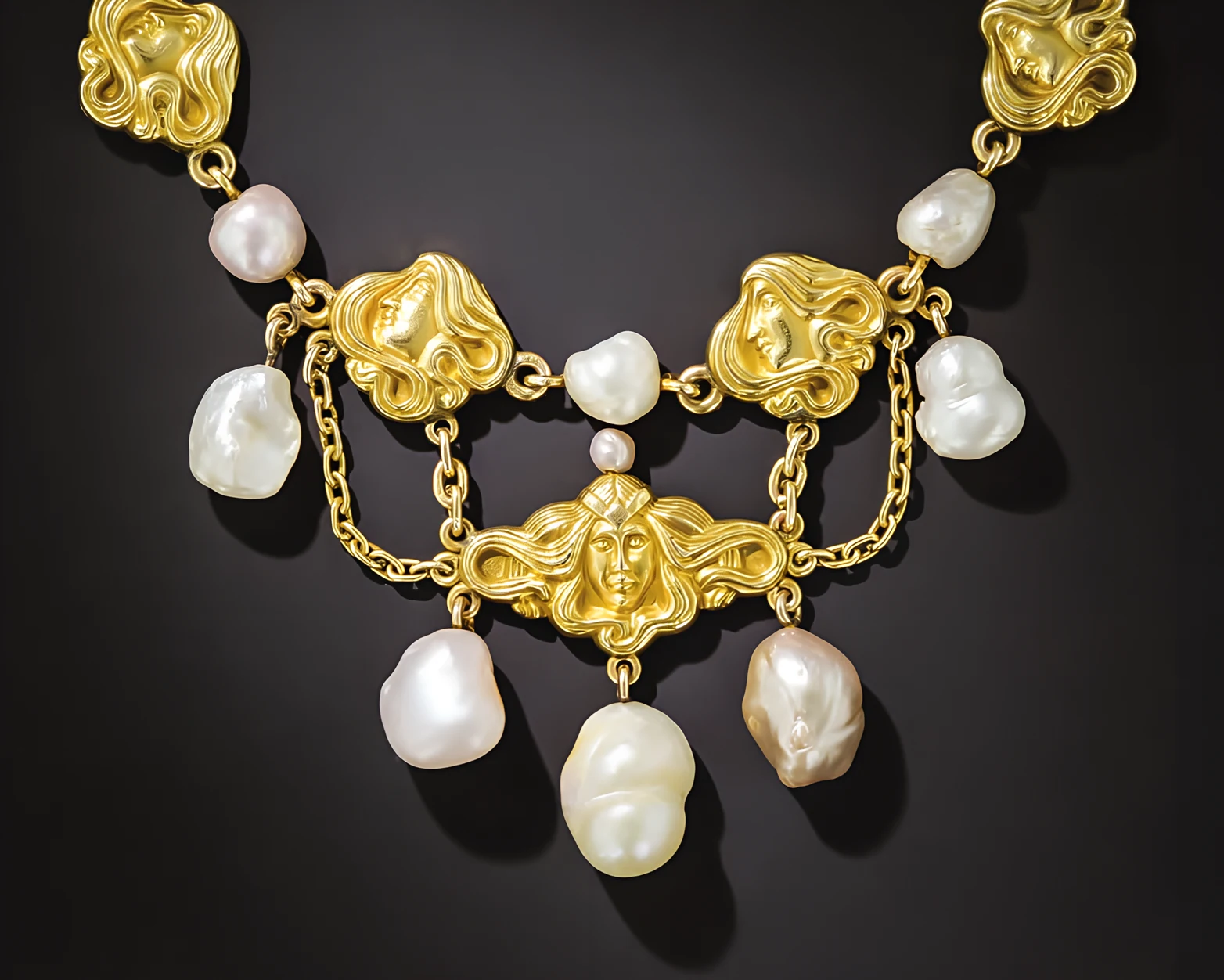
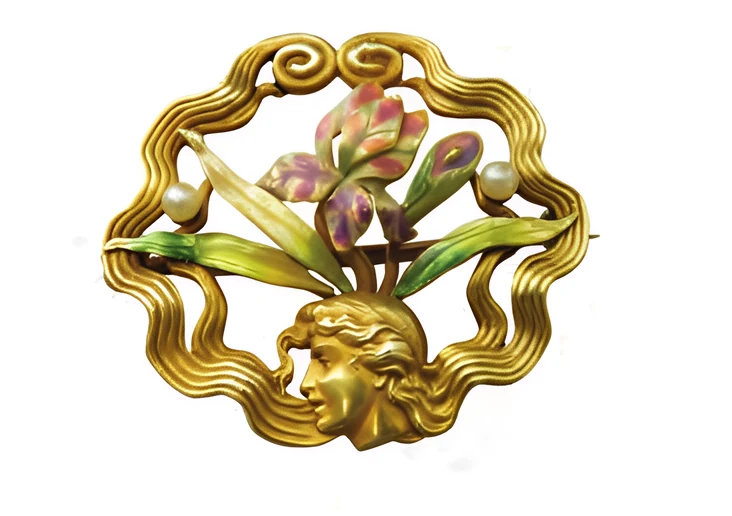
Stones were chosen for color plus mood, not just value. Pearl, opal, moonstone, aquamarine, tourmaline, rose quartz plus amethyst. Enamel was a favorite. Plique-à-jour enamel has no backing, so light passes through it like a stained glass window.
The style was sensual plus dreamy. It faded almost overnight when World War I began in 1914.
Edwardian jewelry, 1900 to 1915
While Art Nouveau looked to nature, high society looked to the French court of the eighteenth century. Under King Edward VII, the wealthy of Europe plus America wore jewelry to show their status. Only the finest gems plus metals would do.
This is the era when platinum took the stage. It is strong enough to hold diamonds in very fine, lacy mountings. Jewelers saw-pierced the metal into patterns that look like lace or cross-stitch.
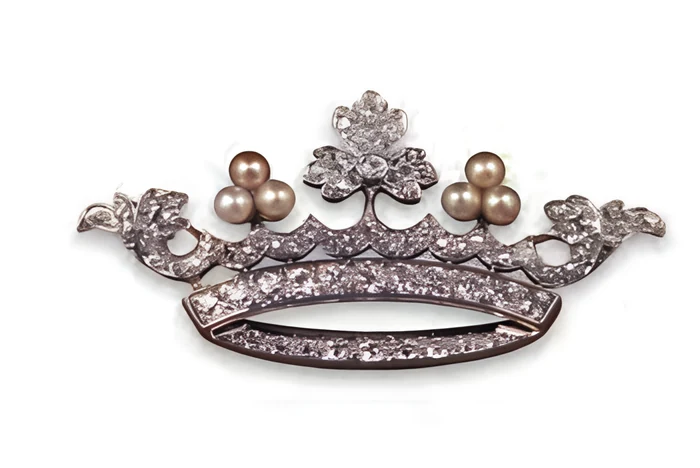
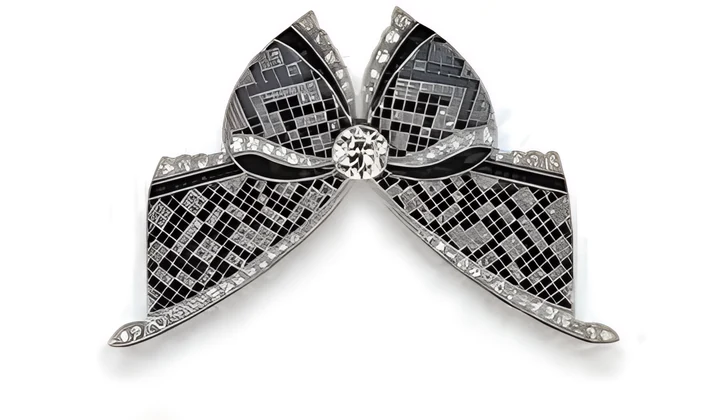
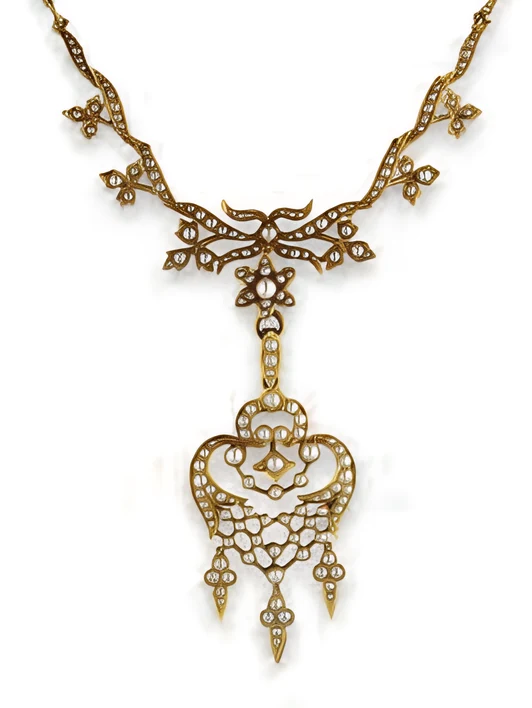
You will also hear it called Garland style. Look for garlands of flowers, ribbons, bows, laurel wreaths, crescents, stars plus feathers. Pearls plus diamonds lead. Ruby, sapphire, emerald, opal plus cat's-eye chrysoberyl bring the color.
Art Deco jewelry, 1920 to 1939
After World War I, jewelry got bold. Art Deco pushed back against the softness of Art Nouveau plus the lace of the Edwardians. In came strong geometry, sleek vertical lines plus colors that contrast on purpose.
Picture white diamonds against black onyx, lapis lazuli, jade, turquoise, ruby, emerald plus sapphire. Colored stones were often carved or cut as smooth cabochons. Cartier carved rubies, emeralds plus sapphires into leaves plus berries, inspired by the jewels of India. Years later, the look became known as Tutti Frutti.
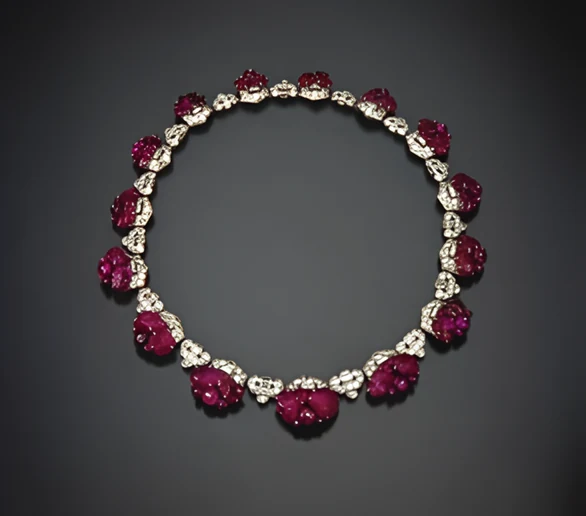
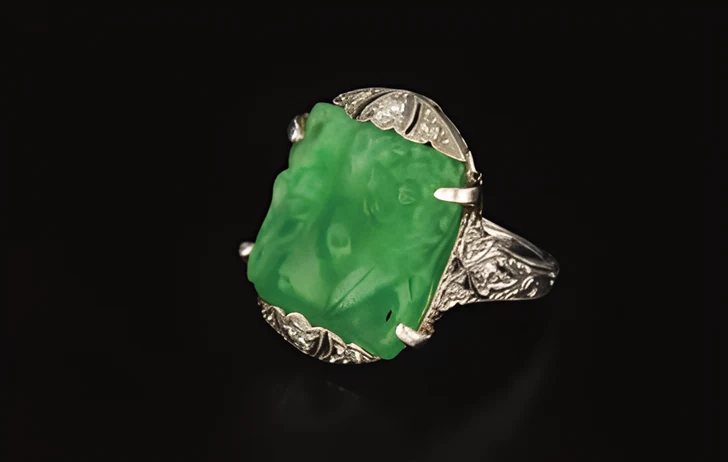
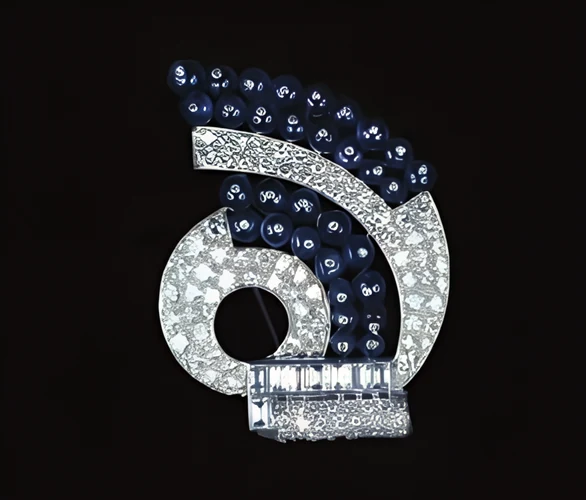
Art Deco still looks modern a century later. Many of today's designs borrow its lines, especially engagement rings with crisp step-cut stones plus geometric side details.
Retro jewelry, the 1940s
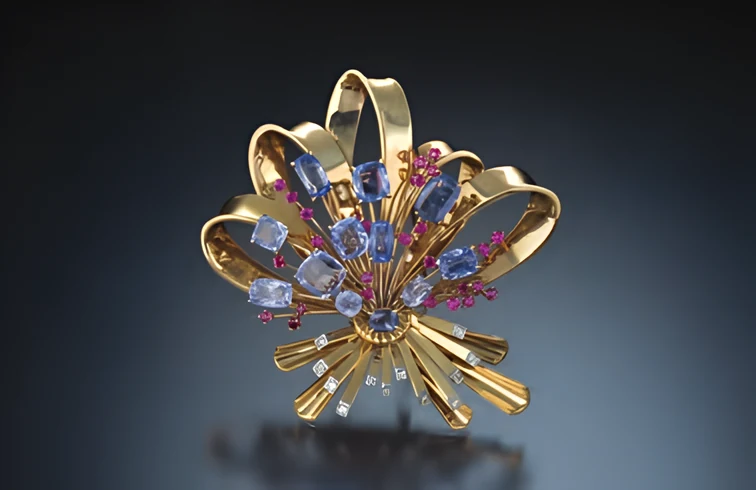
World War II ended the Art Deco years in 1939. Gems were scarce. Platinum was reserved for military use. Jewelers worked with what they had. Gold, small diamonds plus rubies.
The result was big, sculpted curves in yellow plus rose gold. Thin sheets of gold made large shapes without using much metal. Designs drew on bows, flowers, animals plus even machines, from bicycle chains to padlocks plus tank treads.
Brooches plus lapel clips were everywhere. After the war, as prosperity returned, colored stones grew larger plus designs turned softer.
How to tell a true antique from a tribute
Many jewelers make reproduction jewelry, new pieces that borrow from past eras. They can be beautiful. They are not antiques. Jewelry counts as antique once it is at least one hundred years old. Estate jewelry simply means it had an owner before you.
- Look at the diamonds. Old mine plus rose cuts can point to older work. A modern round brilliant may mean a newer stone or a later reset.
- Turn it over. Hand piercing, hand engraving plus gentle, even wear tell a long story.
- Read the marks. Hallmarks plus maker's marks can help date a piece, but they are only one clue.
- Match the materials to the era. Fine platinum lace belongs to the Edwardians, not to an early Victorian brooch.
- Ask for papers. Provenance records plus an independent lab report on the main stone add facts to the story.
Retro rubies are a good example of why disclosure matters. Many rubies in 1940s jewelry are laboratory-grown. That is part of the period, not a flaw. It simply needs to be stated clearly.
Bring an era into a piece made for you
You do not need an antique to wear an era you love. At Studio ALOI, we design new pieces with period character. Garland piercing on a platinum band. Art Deco lines around an emerald. A Retro curve of rose gold. Each piece is made for you in the UAE.
Bring a photo of a jewel you love, or an old piece you want to reimagine. We will talk through what makes that era special at a private appointment in our Dubai jewelry atelier.
Questions about antique jewelry
What are the main antique jewelry eras?
The best known are Victorian (1837 to 1901), Art Nouveau (1890 to 1914), Edwardian (1900 to 1915), Art Deco (the 1920s plus 1930s) plus Retro (the 1940s). Some overlap, because styles never switch off on a single date.
What is the difference between antique, vintage plus estate jewelry?
Antique jewelry is at least one hundred years old. Estate jewelry is any piece that was owned before, whatever its age. Vintage is a looser word, usually used for pieces that are old but not yet antique.
How can you tell if jewelry is Art Deco?
Look for strong geometry, straight lines, contrasting colors plus platinum or white metal. Carved colored stones or black onyx beside white diamonds are other strong clues.
Can you design a new piece in an antique style?
Yes. A new piece can borrow the shapes plus details of any era while being made for everyday wear. We design it with you, from first sketch to finished jewel, in Dubai.
Thinking about commissioning?
Tell us what's in your head — we'll come back with sketches.